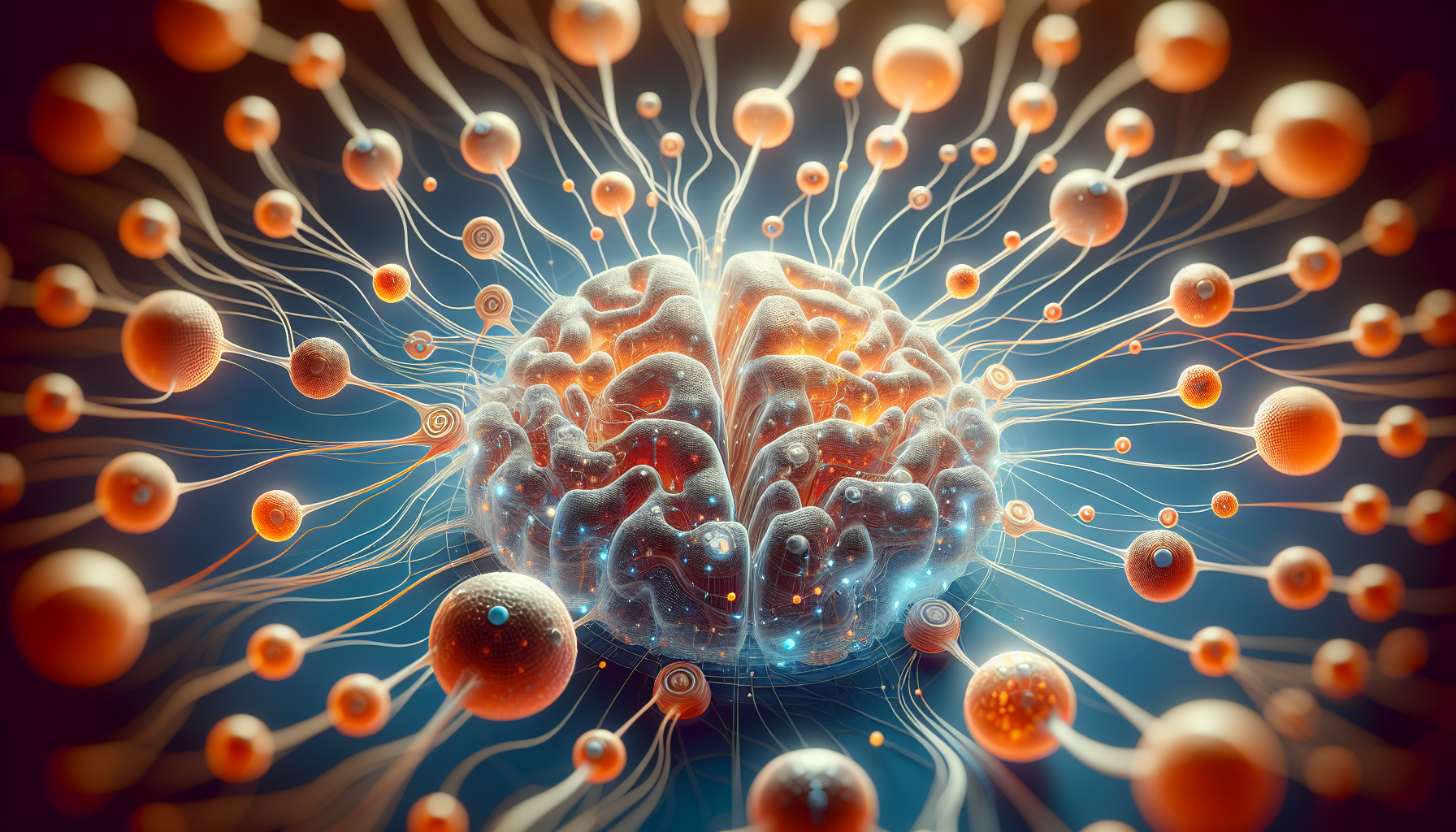
Engineers at Northwestern University have achieved a milestone that seemed theoretical just a few years ago: 3D-printed artificial neurons that can communicate bidirectionally with living biological neurons. The breakthrough, reported this week, bridges the divide between synthetic electronics and organic neural tissue — and opens a new front in brain-computer interface design, neural repair medicine, and the emerging field of hybrid biological computing.
What Was Built and How It Works
The Northwestern team used a specialized bioprinting process to fabricate neuron-like structures from conductive biomaterials — compounds engineered to conduct electrical signals while remaining biologically compatible with neural tissue. Unlike silicon-based electrodes used in current BCI implants, the printed neurons are flexible, able to form physical and functional connections with surrounding biological cells, and capable of receiving and transmitting electrochemical signals in the same frequency bands that biological neurons use.
In laboratory testing, the artificial neurons demonstrated functional synaptic-like communication with cultured cortical neurons — meaning they could both receive signals from biological cells and trigger responses in them. This bidirectional capability is the critical differentiator. Earlier generations of neural interface technology were largely one-directional: they could record neural activity or stimulate tissue, but not do both at the cell-to-cell resolution the Northwestern work achieves.
The printing process itself is also notable. Conventional neural probe manufacturing is lithographic — etched from silicon wafers in rigid forms. Bioprinting allows for structures customized to match the geometry of specific neural regions, with material properties tuned for longevity inside biological tissue.
Why This Matters for Medicine and Technology
The immediate clinical implications cluster around neurological disorders where specific neural circuits are damaged or lost. Parkinson’s disease, spinal cord injuries, and certain forms of epilepsy all involve degraded or severed neural pathways. Current treatments — deep brain stimulation, spinal electrodes — work by broadly stimulating regions with electrical pulses, producing therapeutic effects but with limited precision.
Printed artificial neurons operating at cellular resolution could eventually allow restoration of specific signal pathways rather than broad-area stimulation. For spinal cord injuries, this points toward the possibility of artificial relay nodes that bridge damaged sections with functional communication, rather than bypassing them with brute-force electrical fields.
Beyond repair medicine, the technology intersects with next-generation brain-computer interfaces. Current state-of-the-art implants — including Neuralink’s N1 chip — use microelectrode arrays that sit adjacent to neurons without forming true cellular connections. The Northwestern approach suggests a pathway toward implants that integrate organically with host tissue over time, potentially achieving higher signal bandwidth and longevity with lower immune response.
Remaining Challenges Before Clinical Translation
The gap between a laboratory demonstration and a clinically deployable device remains substantial. Long-term stability of printed structures inside living tissue has not yet been demonstrated beyond bench-scale experiments. The immune response of the brain — which aggressively encapsulates foreign objects — is a well-documented obstacle for implanted materials, and whether the bioprinted neurons can evade or survive that response at scale remains an open question.
Regulatory pathways for hybrid biological-synthetic implants are also largely undefined. The FDA’s existing framework for neural devices was built around conventional electrodes; a device containing 3D-printed structures that form genuine synaptic connections with host tissue may require new classification categories and substantially longer safety evaluation timelines.
Despite these hurdles, the Northwestern work shifts the conversation. The question is no longer whether artificial and biological neurons can communicate — they demonstrably can. The engineering challenge now is translating that proof-of-concept into robust, safe, long-lasting devices. Given the pace of the field, few researchers are betting that challenge takes another decade to solve.