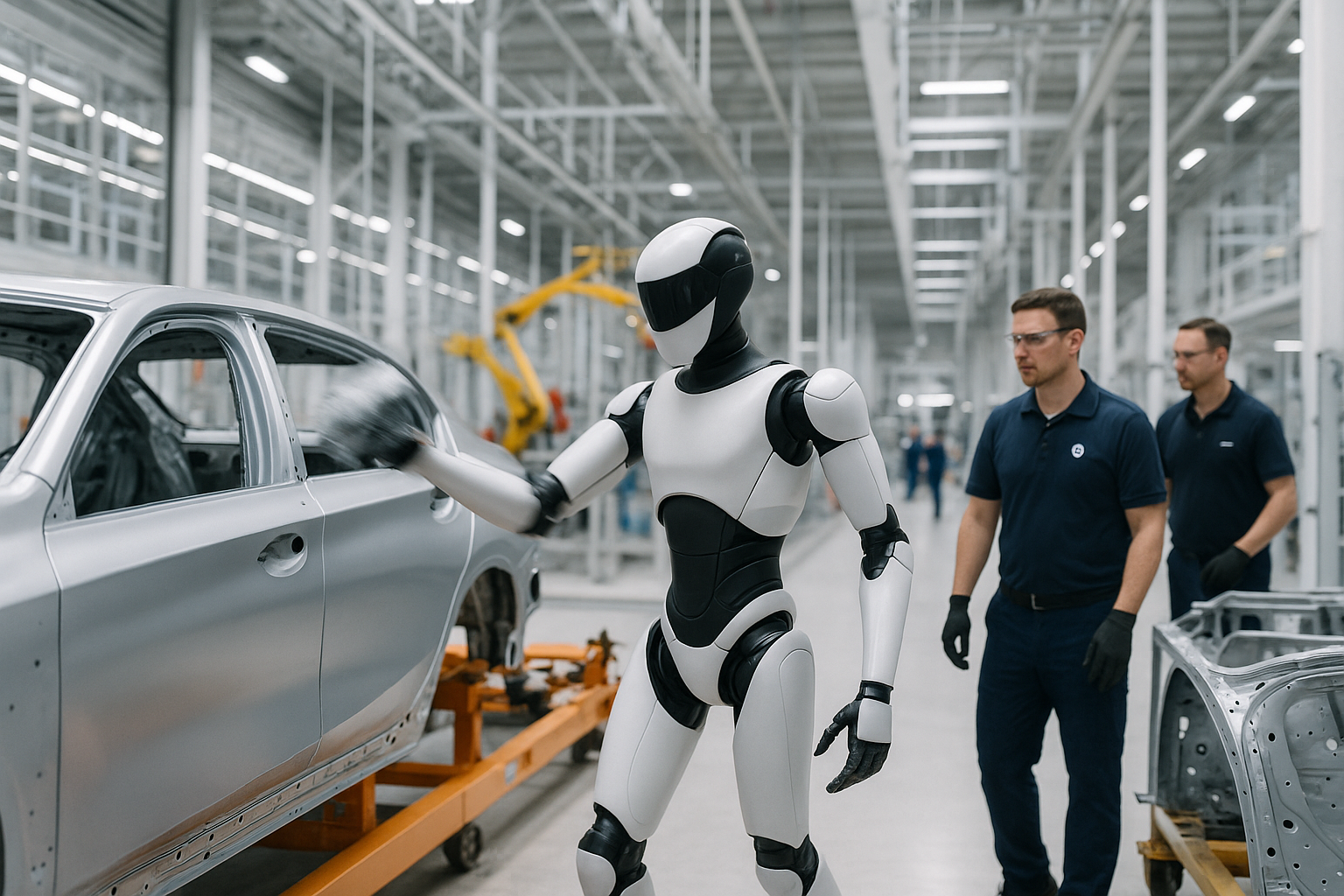
Figure AI confirmed Friday that it has scaled Figure 03 deployments at BMW’s Spartanburg, South Carolina manufacturing complex past 200 units, marking the first time a humanoid-robot maker has crossed from research pilot into a production-line fleet at a major automotive customer (Figure blog).
The number matters because humanoid robotics has spent the last three years trapped in a credibility loop. Demos circulate on social media; investors fund unicorns; nothing actually ships in volume. With 200-plus Figure 03 units now performing parts loading, sub-assembly, and quality-inspection tasks alongside human workers in Spartanburg’s body shop and final-assembly lines, Figure has stepped beyond the demo phase into something the industry can measure.
The economics finally pencil out
Figure CEO Brett Adcock told a Bay Area robotics conference Thursday that the company is offering Figure 03 to industrial customers under a robotics-as-a-service contract priced at roughly $15 per hour, with three-year minimum commitments. That figure undercuts U.S. manufacturing labor costs of $32 to $48 per hour fully loaded, including benefits and overtime, according to BLS data.
Outright purchase pricing has fallen to approximately $70,000 per unit at scale, down from Figure’s 2024 cost target of $120,000, the result of Adcock’s pivot to vertically integrated battery, actuator, and dexterous-hand manufacturing at Figure’s Sunnyvale campus. The bill-of-materials reductions are being compounded by software gains: Figure’s Helix vision-language-action model, updated this quarter to a 7-billion-parameter generalist policy, has cut task setup time by an estimated 60 percent compared with the per-task fine-tuning regime humanoid robotics has historically required (Figure technical post).
A crowded field, but Figure is pulling ahead
The competitive landscape is uneven. Apptronik’s Apollo robot is in early deployment at Mercedes-Benz’s Berlin and Sindelfingen plants under a deal disclosed last year, with fleet size in the low double digits, according to two suppliers familiar with the program. Norway-based 1X has shipped its NEO Beta consumer humanoid into a few hundred U.S. and European homes under a closed beta, but the unit is targeted at home tasks rather than industrial duty cycles. Agility Robotics’ Digit is operating in low-volume warehouse pilots at GXO and Schaefer. Tesla’s Optimus, the program with the highest public profile, remains in internal Fremont and Gigafactory Texas pilots; Elon Musk reaffirmed on the company’s Q1 earnings call last week that Tesla is targeting 5,000 units of Optimus production capacity in 2026, but external deployments have not been confirmed.
That puts Figure at the front of the production-deployment race. BMW began the original Figure pilot at Spartanburg with two robots in early 2024; the program expanded to a single shift last year, then to round-the-clock operation in the body shop in November. Robert Engelhorn, head of BMW Plant Spartanburg, told Reuters that Figure 03 fleet productivity has reached approximately 92 percent of human throughput on the targeted task set, with target parity by year-end.
A $40 billion Series E to fund the next phase
Figure’s commercial momentum is fueling its capital strategy. The company is in advanced talks to raise approximately $1.5 billion in a Series E led by Parkway Venture Capital, with Microsoft, NVIDIA, Bezos Expeditions, and Aliya Capital all expected to participate, two people briefed on the round told the Financial Times. The implied post-money valuation is approximately $40 billion, up from $2.6 billion at Figure’s Series B in February 2024.
The capital, if it closes, would fund a planned third manufacturing facility in Texas with target output of 100,000 humanoid units per year by 2029, alongside expanded compute capacity to train successive generations of the Helix model. Adcock told the Bay Area audience that Figure is on track to ship 12,000 robots cumulatively by the end of 2027 if its current customer pipeline converts.
What still has to be proven
The skeptics have not gone quiet. Humanoid uptime, battery-swap logistics, and the safety case for working alongside humans in mixed-environment production lines remain genuinely hard problems. OSHA opened an inquiry in February into a non-injury Figure-related incident at Spartanburg in which a robot mis-classified a moving part, and the agency has not yet published its findings.
Whether Figure 03’s economics survive the move from one BMW plant to the broader industrial economy is the question the next 18 months will answer. What changed this week is that the conversation finally has data. Two hundred robots, ninety-two percent throughput, $15 an hour. Humanoid robotics is no longer a video.


Discussion
Sign in to join the discussion.
No comments yet. Be the first to share your thoughts.