The Great AI Price War: How Frontier Intelligence Became a Commodity
Costs for frontier-level AI have dropped by 90–97% in two years, turning what was once a premium compute luxury into table stakes for any developer with a credit card.
Platforms, chips, software and the companies building the next layer of the economy.
Costs for frontier-level AI have dropped by 90–97% in two years, turning what was once a premium compute luxury into table stakes for any developer with a credit card.
New research reveals a stark paradox: 96% of enterprises are running AI agents in production, yet fewer than a quarter can show measurable returns — and agent sprawl is making it worse.
OpenAI has unveiled a fine-tuned variant of its flagship model designed exclusively for defensive cybersecurity workflows, with access gated behind identity verification.
NASA's Artemis II crew completed the first crewed lunar flyby in over 50 years, breaking the distance record set by Apollo 13 and returning with unprecedented imagery of the Moon's far side.
A landmark PwC study of 1,217 executives reveals a stark and widening gap between AI leaders and laggards — with the top fifth of companies capturing nearly three-quarters of all AI-driven economic value.
Microsoft is investing $10 billion in Japan over four years to build AI infrastructure, deepen cybersecurity partnerships, and train one million engineers by 2030.
Anthropic's Model Context Protocol crossed 97 million installs in March 2026, with every major AI provider now shipping MCP-compatible tooling — the fastest adoption curve for any AI infrastructure standard in history.
OpenAI has acquired TBPN, the daily Silicon Valley talk show averaging 70,000 viewers per episode, in a deal valued in the low hundreds of millions of dollars.
Half of planned US data center builds in 2026 face delays or cancellation — not for lack of capital, but because the electrical grid can't deliver the power they need.
Forrester's annual emerging tech list marks a turning point: AI is no longer a software problem. It's a physical one.
Jensen Huang's GTC keynote marked a decisive shift: agentic AI is no longer a research project. NemoClaw, Vera Rubin, and a 16-partner coalition are building the infrastructure for autonomous enterprise software.
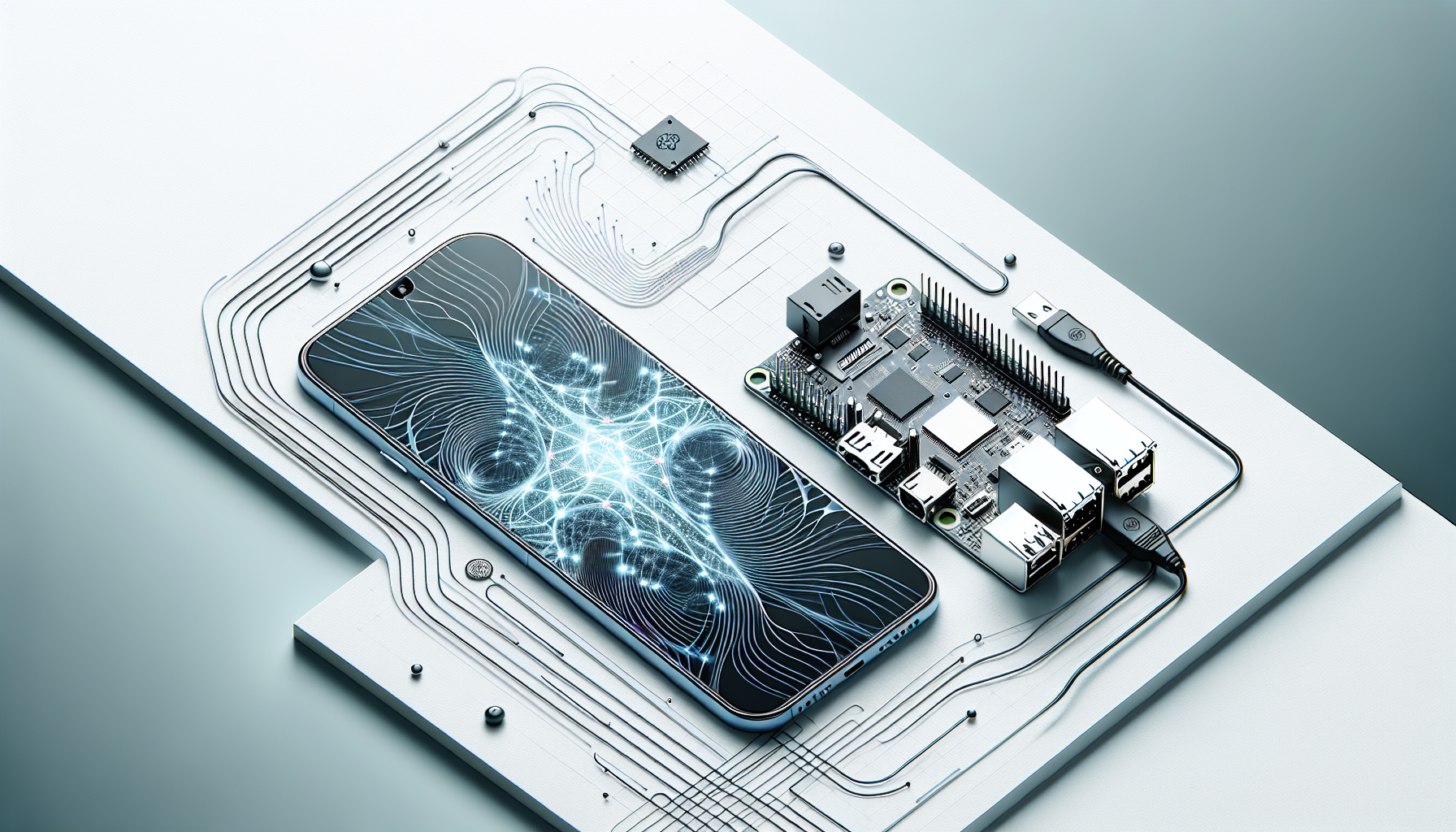
Google's Gemma 4 family delivers frontier-level reasoning and multimodal capability under an Apache 2.0 license — and it fits on a phone.
Legal AI has graduated from experiment to enterprise arms race, with billions in fresh capital flowing to platforms that are fundamentally rewriting how law is practiced.
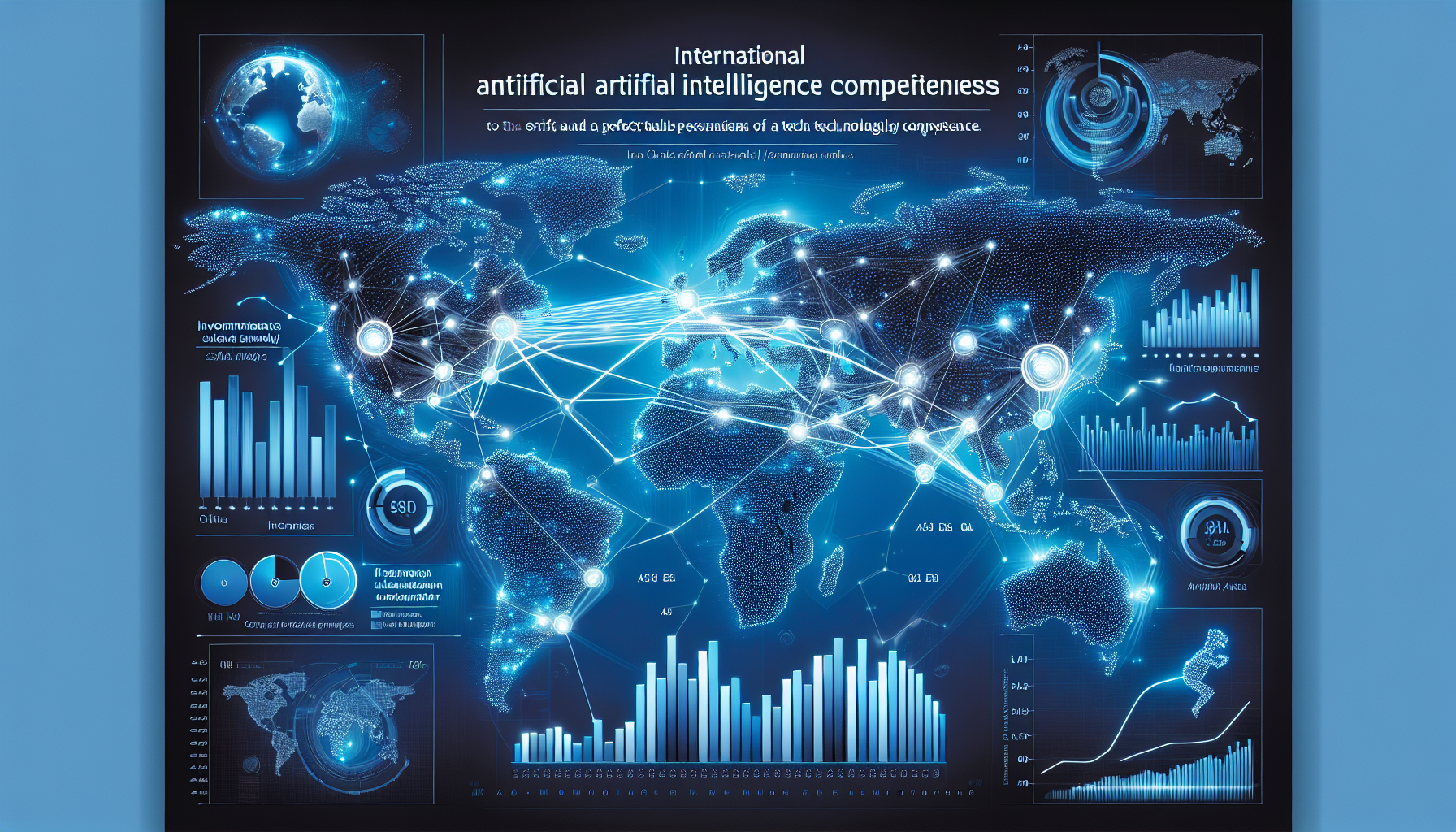
Stanford's annual AI Index reveals a stunning convergence between US and Chinese AI capabilities — while America pours in capital, its talent pipeline is in freefall.
Google has confirmed I/O 2026 for May 19–20 in Mountain View, with Android 17, a unified ChromeOS–Android platform, and deeper Gemini integration on the agenda.
Intercontinental Exchange has completed a $2 billion total investment in Polymarket, positioning the prediction market platform as a core data infrastructure layer for institutional capital markets—not just a speculative trading venue.
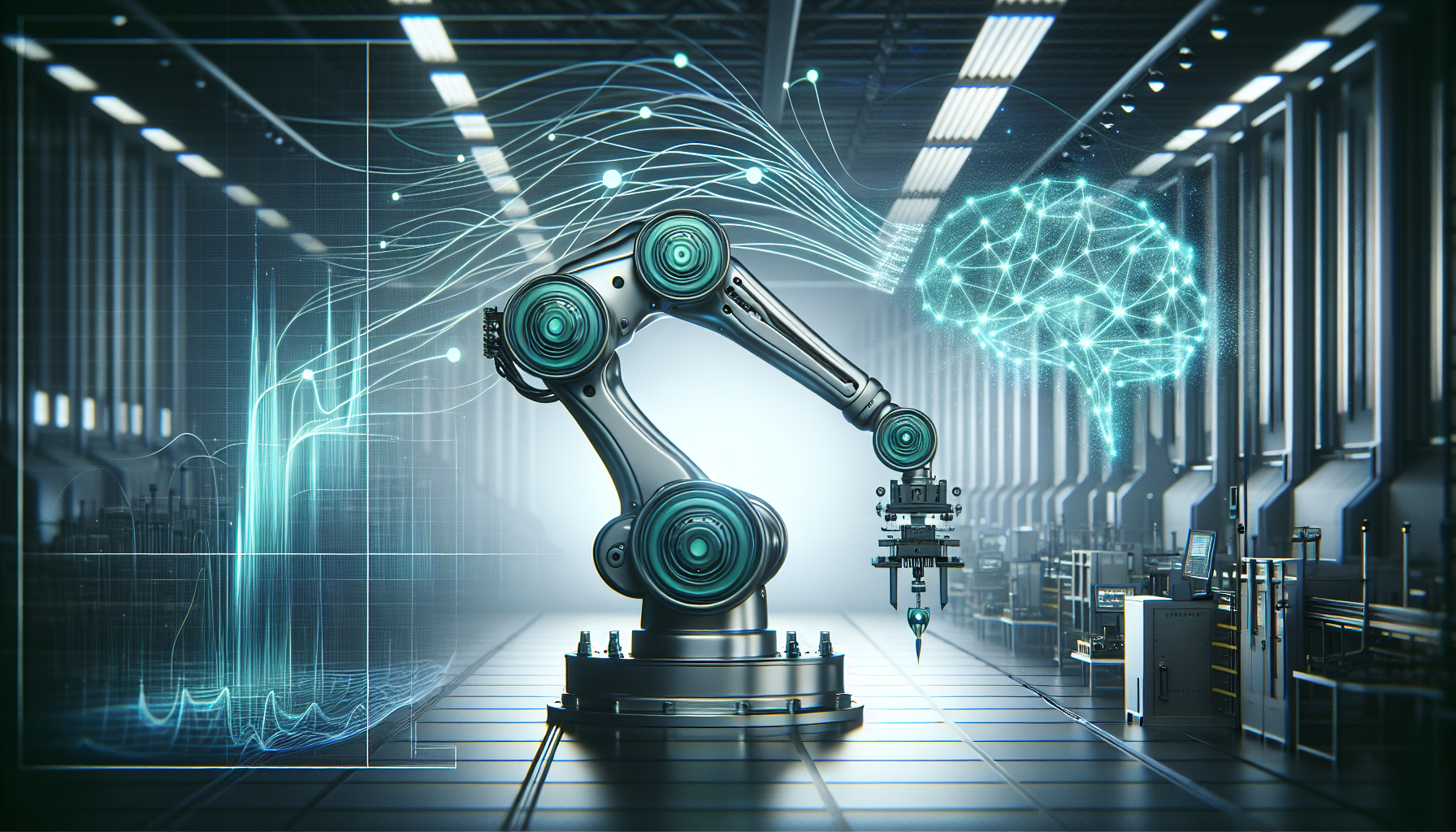
After 18 months in stealth, Rhoda AI is launching its FutureVision robotics platform with half a billion dollars in backing and a Direct Video Action architecture designed to handle real-world industrial environments.
Named after pioneering scientist Rosalind Franklin, the new model targets biochemistry, genomics, and translational medicine — and outperforms human experts on RNA sequence prediction benchmarks.
Founded by the architect behind Apple's M1 Firestorm core, Nuvacore is building a ground-up CPU designed for transformer workloads — claiming an 83% reduction in per-token energy consumption.
NVIDIA has open-sourced Ising, the first AI model family purpose-built for quantum computing, slashing calibration times from days to hours and boosting error-correction accuracy by 3x.
Microsoft's $10 billion, four-year commitment to Japan — more than triple its 2024 investment — pairs GPU compute infrastructure with cybersecurity cooperation and a pledge to train one million Japanese workers by 2030.
OpenAI's purchase of Silicon Valley talk show TBPN for a reported low hundreds of millions marks a sharp strategic pivot: from building AI to shaping the narrative around it.
IBM's new multi-agent security service and frontier model threat assessment aim to close the gap between automated attacks that breach networks in 22 seconds and the human response teams scrambling to catch up.
Anthropic's latest flagship model narrowly surpasses GPT-5.4 and Gemini 3.1 Pro on key benchmarks, reigniting the competition at the frontier of large language models.