U.S. Bank AI Governance Just Got A Deliberate Gap
Regulators modernized model-risk guidance for banks, but left generative and agentic AI outside the formal scope. That is not comfort. It is a sequencing problem.
Every story in this edition, newest first.
Regulators modernized model-risk guidance for banks, but left generative and agentic AI outside the formal scope. That is not comfort. It is a sequencing problem.
Frontier coding models hallucinate fewer dependency names than older systems, but the remaining error rate is now measurable enough for attackers to mine.
The I4C-RBIH MuleHunter pact turns mule-account detection from bank-by-bank friction into shared fraud infrastructure.
The control plane for enterprise AI is moving into the inference path, where prompts, tokens, routing, identity and observability decide whether models become production systems or unmanaged exposure.
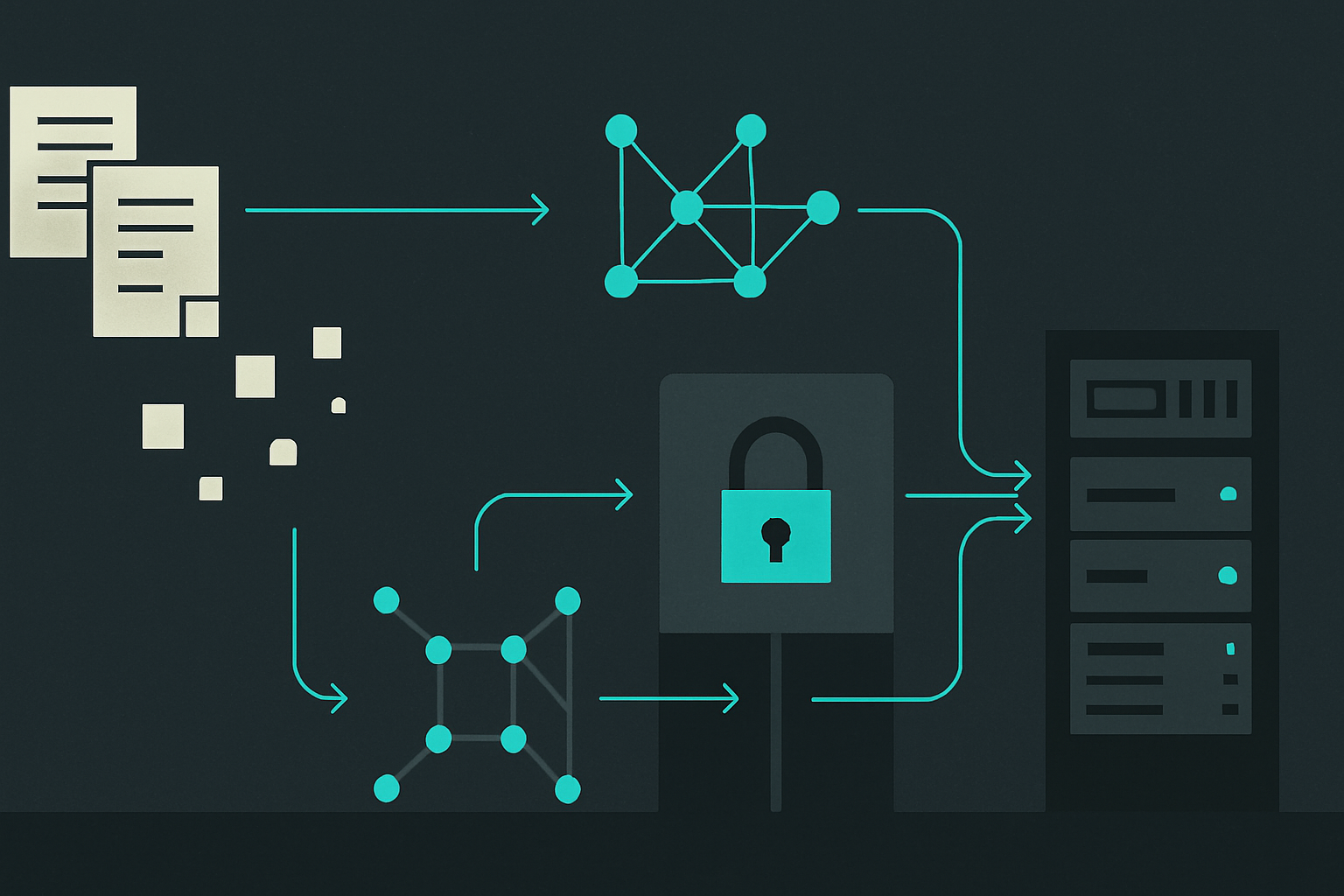
Vision-capable AI makes screenshots, PDFs, forms and images part of the instruction surface. That means document intake is no longer just preprocessing.
Financial firms now run two regulatory streams through the same evidence engine, and the work is failing at integration points, not interpretation.
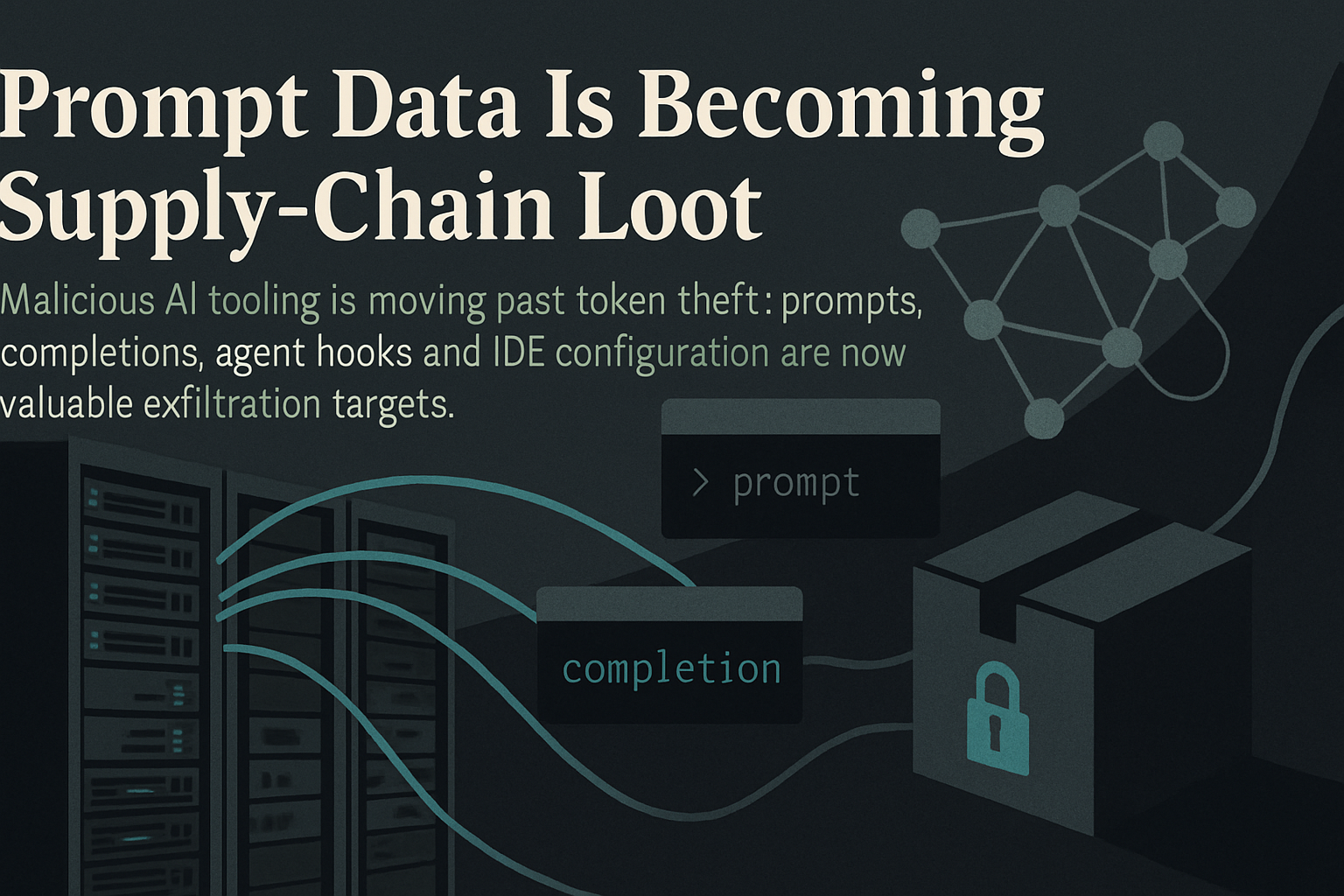
Malicious AI tooling is moving past token theft: prompts, completions, agent hooks and IDE configuration are now valuable exfiltration targets.
METI is turning frontier-AI cyber risk into an asset-inventory, vulnerability-response and executive-governance problem for critical infrastructure operators.
The AI Act is not waiting for a perfect rulebook inside European banks; it is being folded into credit, cloud, governance and GenAI supervision now.
India's central bank is not choosing between AI adoption and AI controls; it is trying to make low-risk use easier by making governance, infrastructure and incident reporting harder to ignore.
Five Eyes cyber agencies are moving agent deployment from model-safety language into identity, privilege, logging and runtime containment.
AI security teams have spent years scanning packages and plugins. The quieter risk is the model artifact itself: a file that looks like weights can still behave like code.
The important signal is not hub branding; it is that compliance AI is already embedded while accountability rules and compliance capacity remain uneven.
CMF is treating AI as a cross-cutting prudential, conduct, data and cyber issue before writing a standalone financial-AI rulebook.
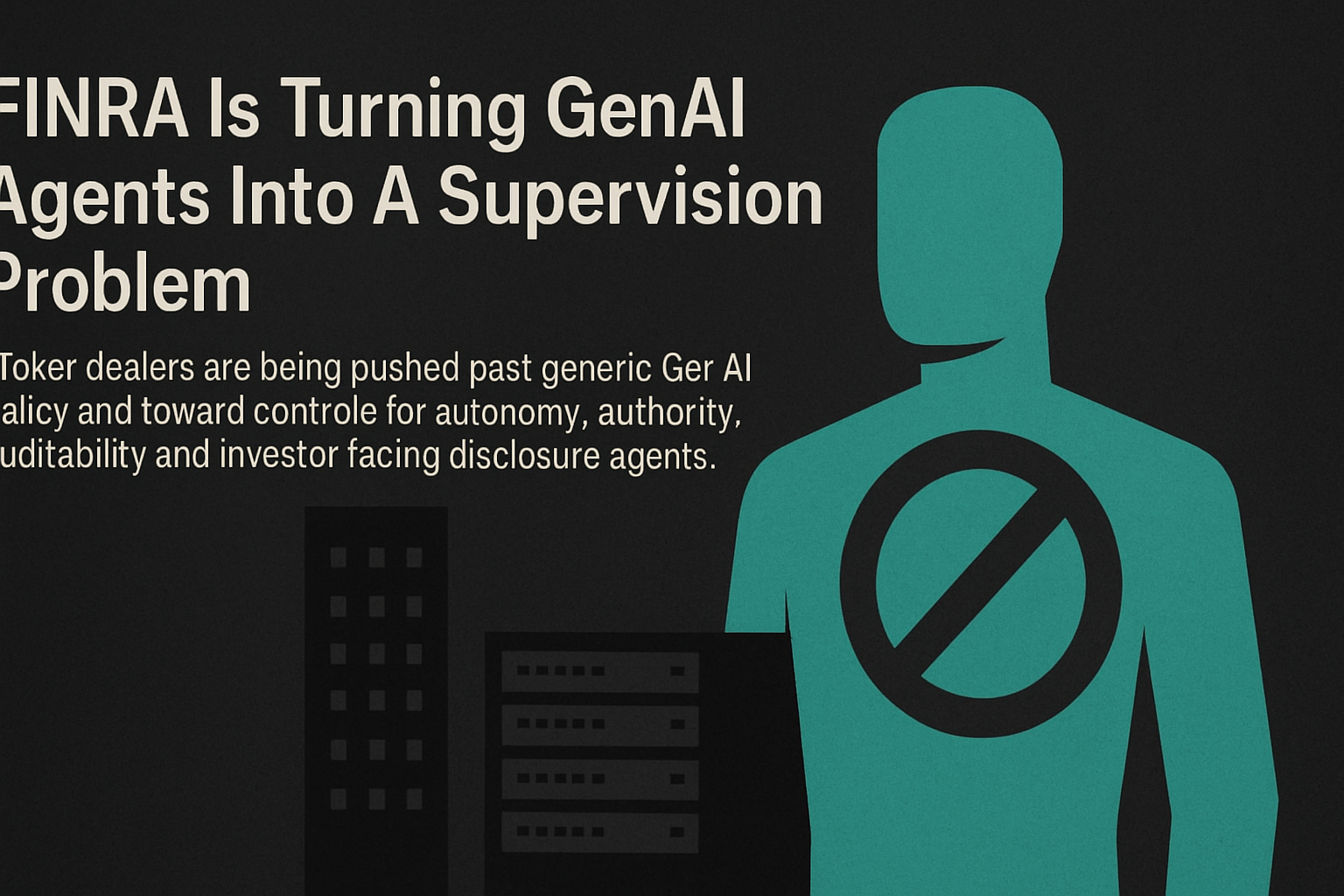
Broker-dealers are being pushed past generic GenAI policy and toward controls for autonomy, authority, auditability and investor-facing disclosure agents.
The next retrieval-security problem is not only prompt injection; it is poisoned knowledge, manipulated access, external context and tool boundaries feeding the model.
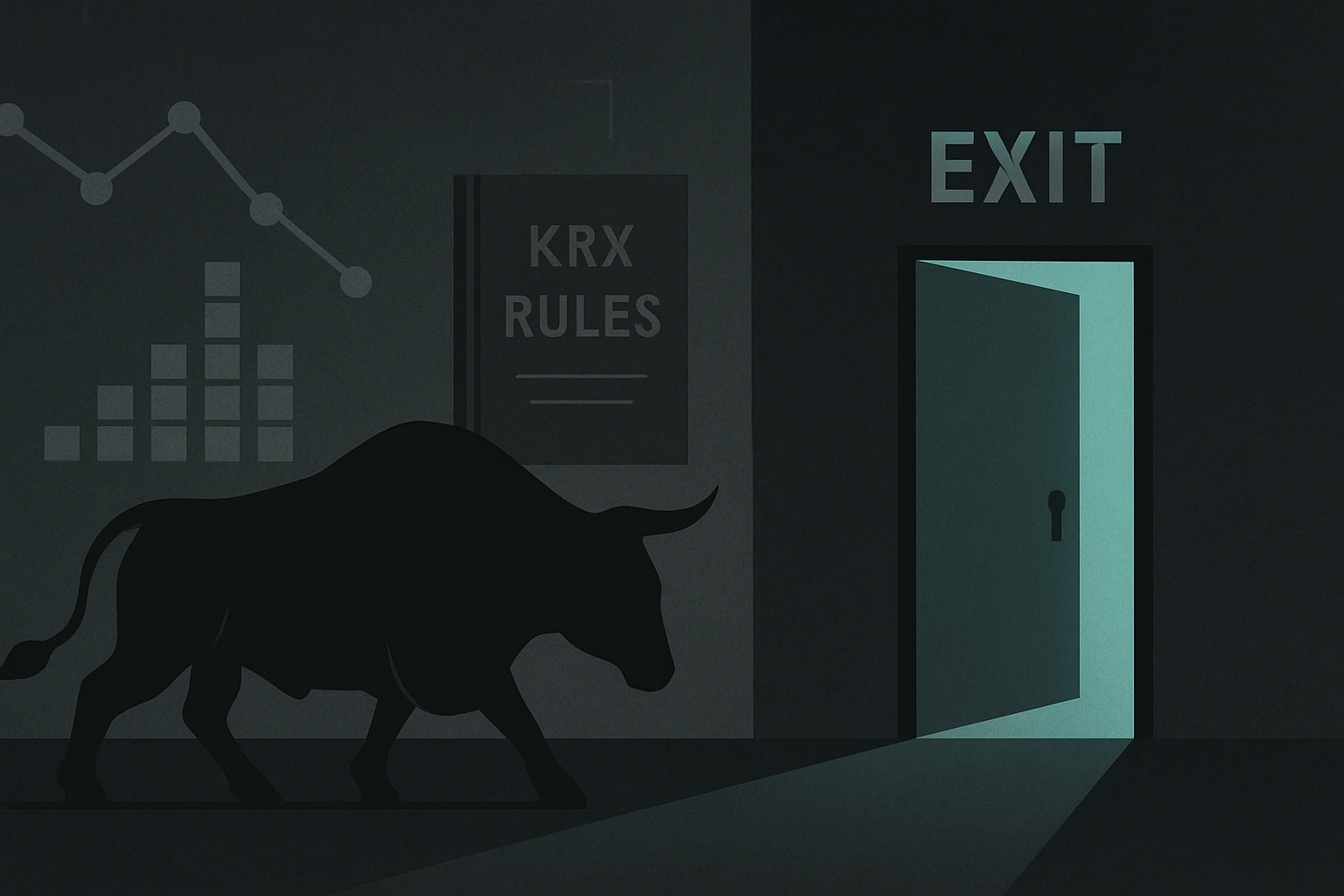
Seoul's KRX rule changes are a capital-market reform with teeth: higher delisting thresholds, anti-pump mechanics and faster removal of companies that should not be renting a public listing.
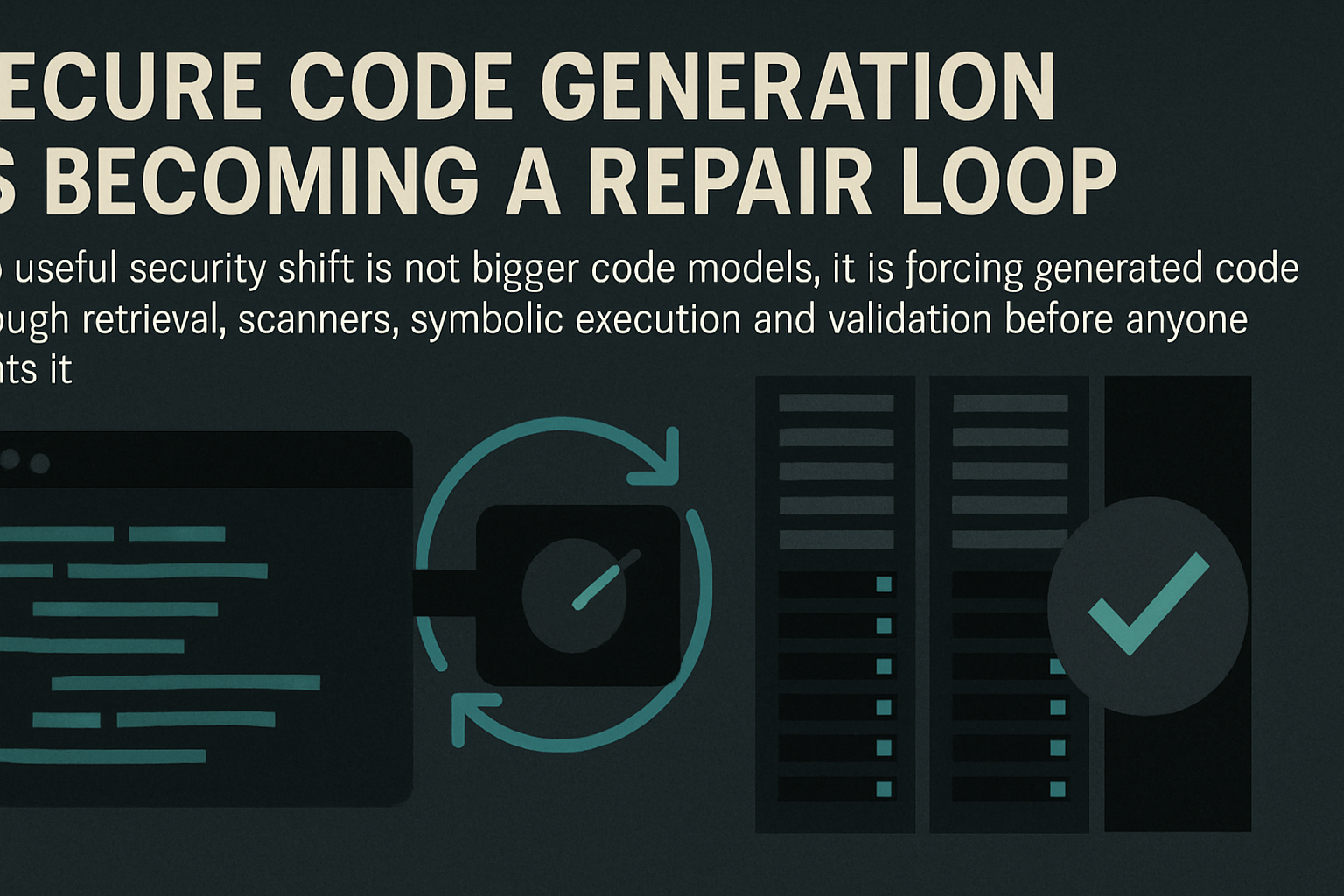
The useful security shift is not bigger code models. It is forcing generated code through retrieval, scanners, symbolic execution and validation before anyone trusts it.
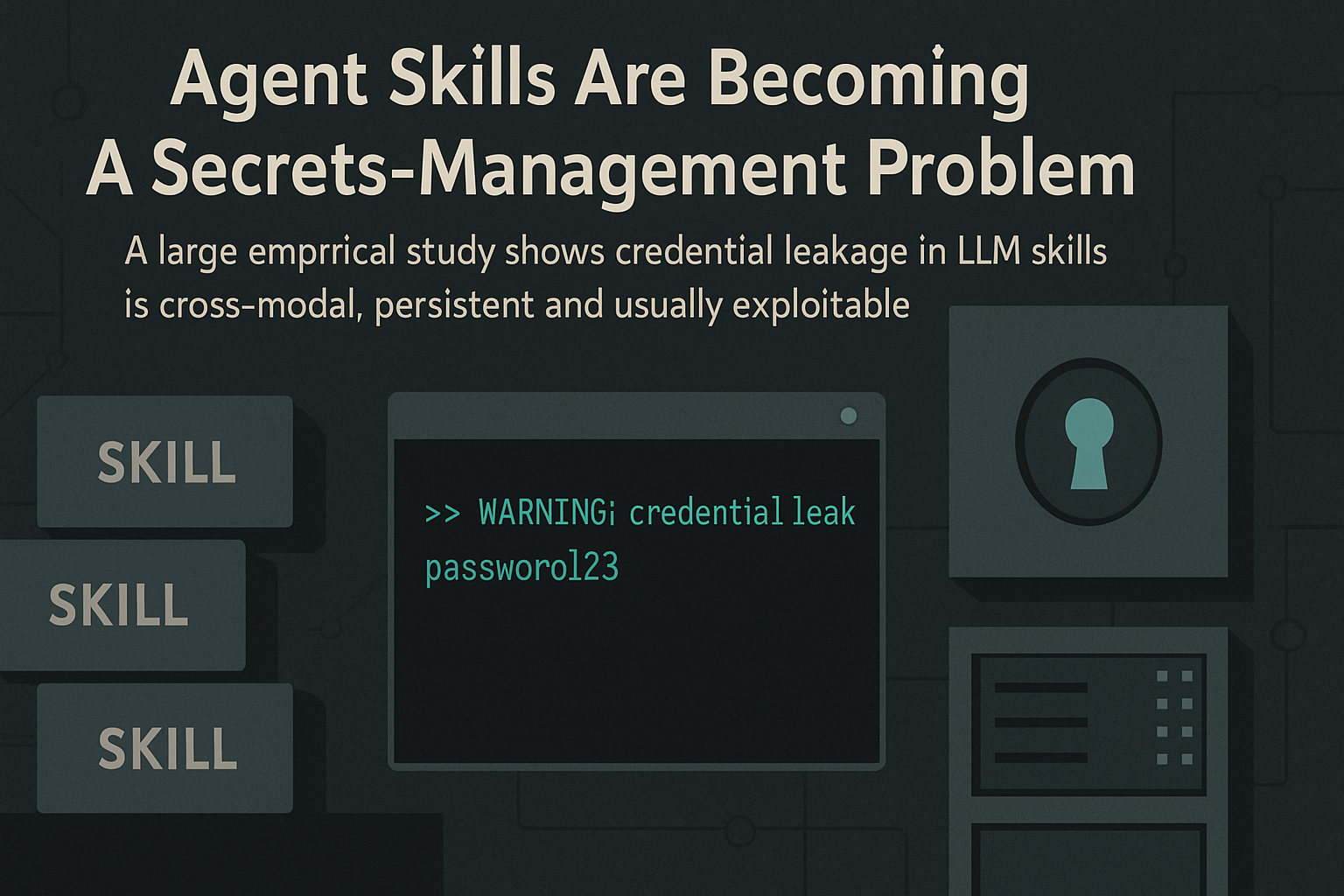
A large empirical study shows credential leakage in LLM skills is cross-modal, persistent and usually exploitable without special privileges.
Seoul is treating vessel autonomy as a shared data and standards problem, not a race to stage isolated ship demos.
FSRA's VASP warning moves synthetic voice and video from scam awareness into virtual-asset operational resilience.
Tool descriptions, responses and agent memory are starting to look less like metadata and more like executable dependencies.
ATLAS is turning AI security from abstract model risk into threat-informed defense that CISOs can map, filter and operationalize.
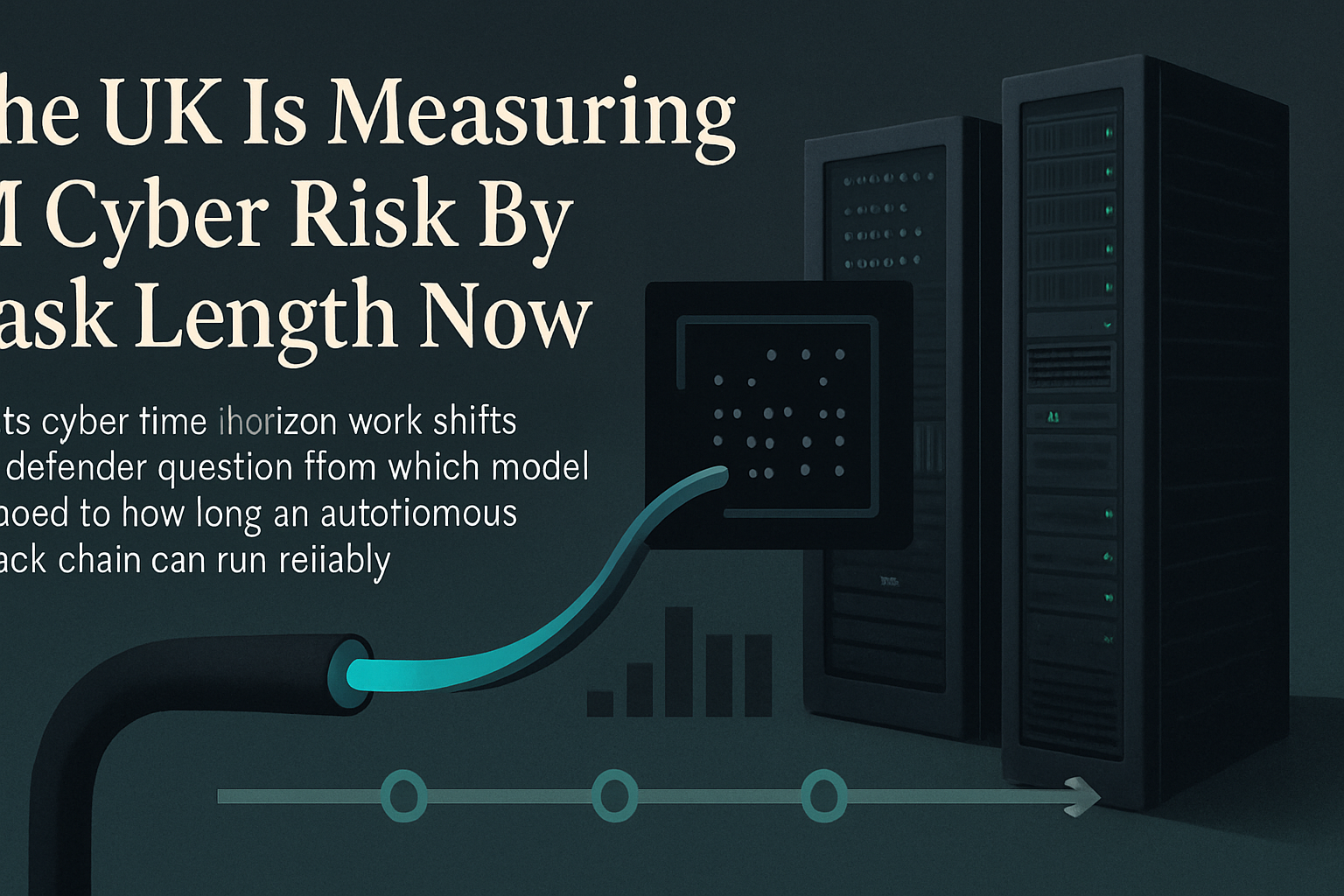
AISI’s cyber time-horizon work shifts the defender question from which model shipped to how long an autonomous attack chain can run reliably.