The FCA Is Turning Financial AI Testing Into Deployment Evidence
The second AI Live Testing cohort matters because it pushes banks and fintechs toward monitored, auditable AI rollouts rather than polished model demos.
Every story in this edition, newest first.
The second AI Live Testing cohort matters because it pushes banks and fintechs toward monitored, auditable AI rollouts rather than polished model demos.
Beijing is treating robots, EV plants and AI phones as one industrial deployment problem, not as separate gadget markets.
The Android DMA case turns AI competition into a fight over wake words, app actions, context, background execution and the hooks Gemini can use by default.
CADE’s Microsoft/Inflection call-in shows AI competition governance is moving from corporate form to control over teams, models and optionality.
The U.S. is not licensing frontier models, but CAISI’s pre-release testing deals make government evaluation a practical compliance checkpoint for the largest labs.
Hong Kong licensed the issuers first, then watched fake tickers arrive before the real tokens; the lesson is that registries, issuer notices and distribution controls are part of the launch, not compliance wallpaper.
Japan is not throwing the door open to foreign stablecoins; it is building a supervised access lane where travel-rule coverage and home-jurisdiction equivalence decide who can move.
India's market-continuity story is shifting from a rarely used investor fallback portal to exchange-run contingency access, centralized cyber monitoring, and AI-risk playbooks.
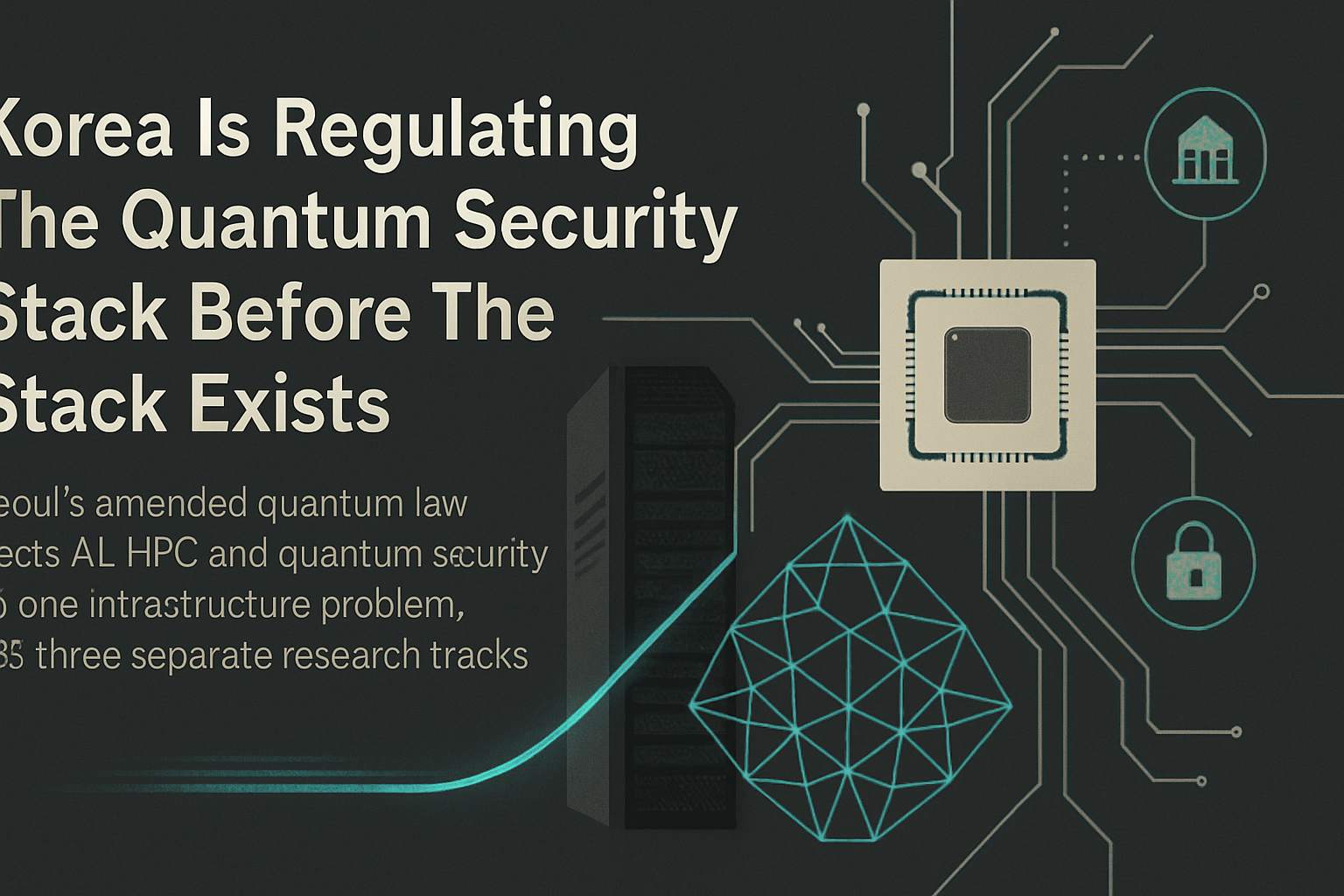
Seoul's amended quantum law treats AI, HPC and quantum security as one infrastructure problem, not three separate research tracks.
Restricted Fed payment accounts would not hand fintechs the keys to central banking; they would turn account access into a programmable risk-control layer.
SEBI's PaRRVA framework moves adviser and research-analyst track records from marketing copy into a verified data layer.
The FCA’s 2026/27 perimeter report points to a harder gap: general-purpose LLMs can guide financial decisions without making users feel outside regulated-advice protection.
GPU scarcity made the loudest noise; optical links are becoming the quieter constraint that decides how many accelerators can behave like one machine.
The AI infrastructure trade is not just GPUs and HBM; Kioxia's record year shows NAND and SSD economics moving into the same demand cycle.
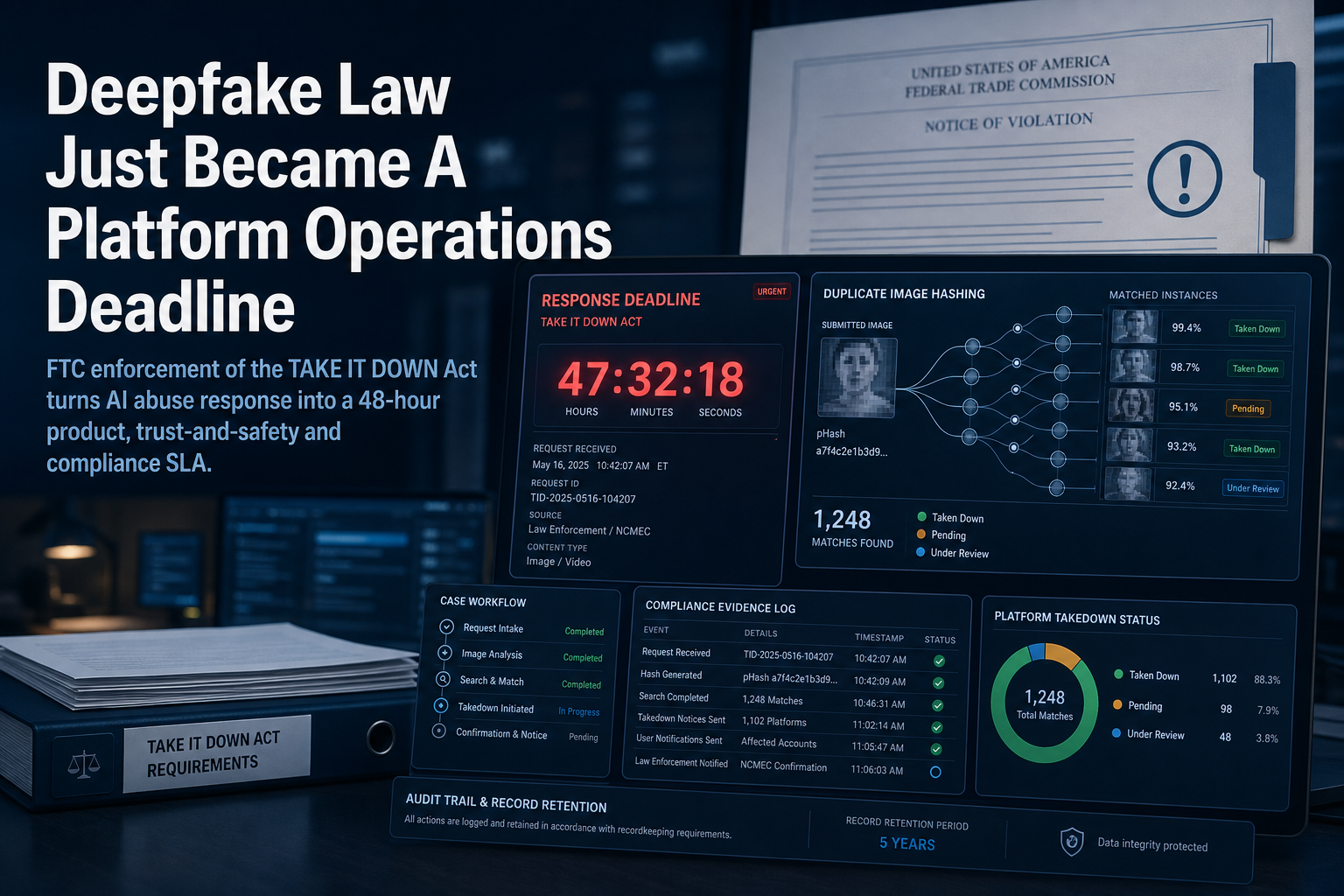
FTC enforcement of the TAKE IT DOWN Act turns AI abuse response into a 48-hour product, trust-and-safety and compliance SLA.
GENAI is not just a civil-service chatbot rollout. It is a state-built reference stack that could decide which domestic models, data rails, and deployment patterns get demand before the private market does.
Beijing is turning AI ethics into committees, service centers, and risk-monitoring workflows, which matters more than another slogan about trustworthy systems.
Sandbox++ gives regulated firms supervisory guidance, Cyberport technical support and official complimentary GPU access, making compute part of the financial-supervision toolkit.
MiCA's July cutoff is less about paperwork than proving crypto firms can migrate clients, transfer assets, and stop unauthorised services without turning compliance into an exit scramble.
MiCAR makes euro stablecoin reserves look conservative, but the ECB's own scenarios show that growth can still migrate stress into bank deposits, HQLA books, and sovereign-bond demand.
AI-enhanced imaging does not need to make every hand photo dangerous; it only needs to make usable ridge detail easier to find, rank, and route into weak biometric workflows.
Europe's securities firms are not just adopting AI at different speeds; they are discovering that governance capacity is becoming a scale advantage.
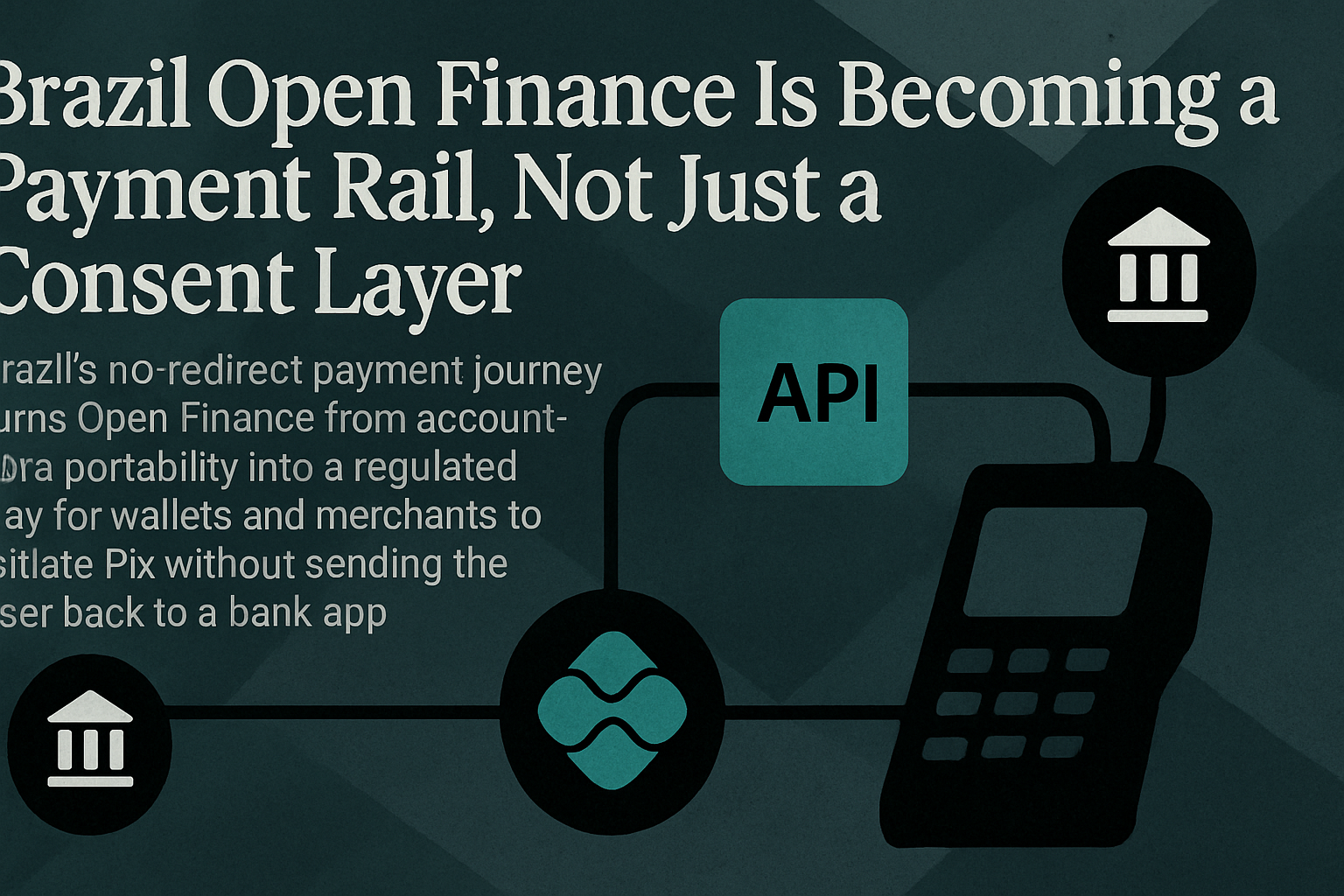
Brazil's no-redirect payment journey turns Open Finance from account-data portability into a regulated way for wallets and merchants to initiate Pix without sending the user back to a bank app.
India is not waiting for a horizontal AI statute before it makes oversight operational; it is pushing governance through funding, standards, compute allocation and sector deployment.