UK Finance Regulators Put Frontier-AI Risk On Recovery Evidence
The Bank of England, FCA and Treasury have moved frontier-AI cyber risk into the same operating lane as patching, third-party control and recovery proof.
Markets, banking, fintech regulation, capital allocation and the financial impact of technology.
The Bank of England, FCA and Treasury have moved frontier-AI cyber risk into the same operating lane as patching, third-party control and recovery proof.
MAS is moving bank AI oversight from fairness principles into inventories, impact assessments, vendor controls and board reporting.
Japan's FSA is not treating frontier-AI cyber risk as a memo problem; it is building a practitioner loop across banks, vendors, the central bank and model providers.
Regulators modernized model-risk guidance for banks, but left generative and agentic AI outside the formal scope. That is not comfort. It is a sequencing problem.
The I4C-RBIH MuleHunter pact turns mule-account detection from bank-by-bank friction into shared fraud infrastructure.
Financial firms now run two regulatory streams through the same evidence engine, and the work is failing at integration points, not interpretation.
The AI Act is not waiting for a perfect rulebook inside European banks; it is being folded into credit, cloud, governance and GenAI supervision now.
India's central bank is not choosing between AI adoption and AI controls; it is trying to make low-risk use easier by making governance, infrastructure and incident reporting harder to ignore.
The important signal is not hub branding; it is that compliance AI is already embedded while accountability rules and compliance capacity remain uneven.
CMF is treating AI as a cross-cutting prudential, conduct, data and cyber issue before writing a standalone financial-AI rulebook.
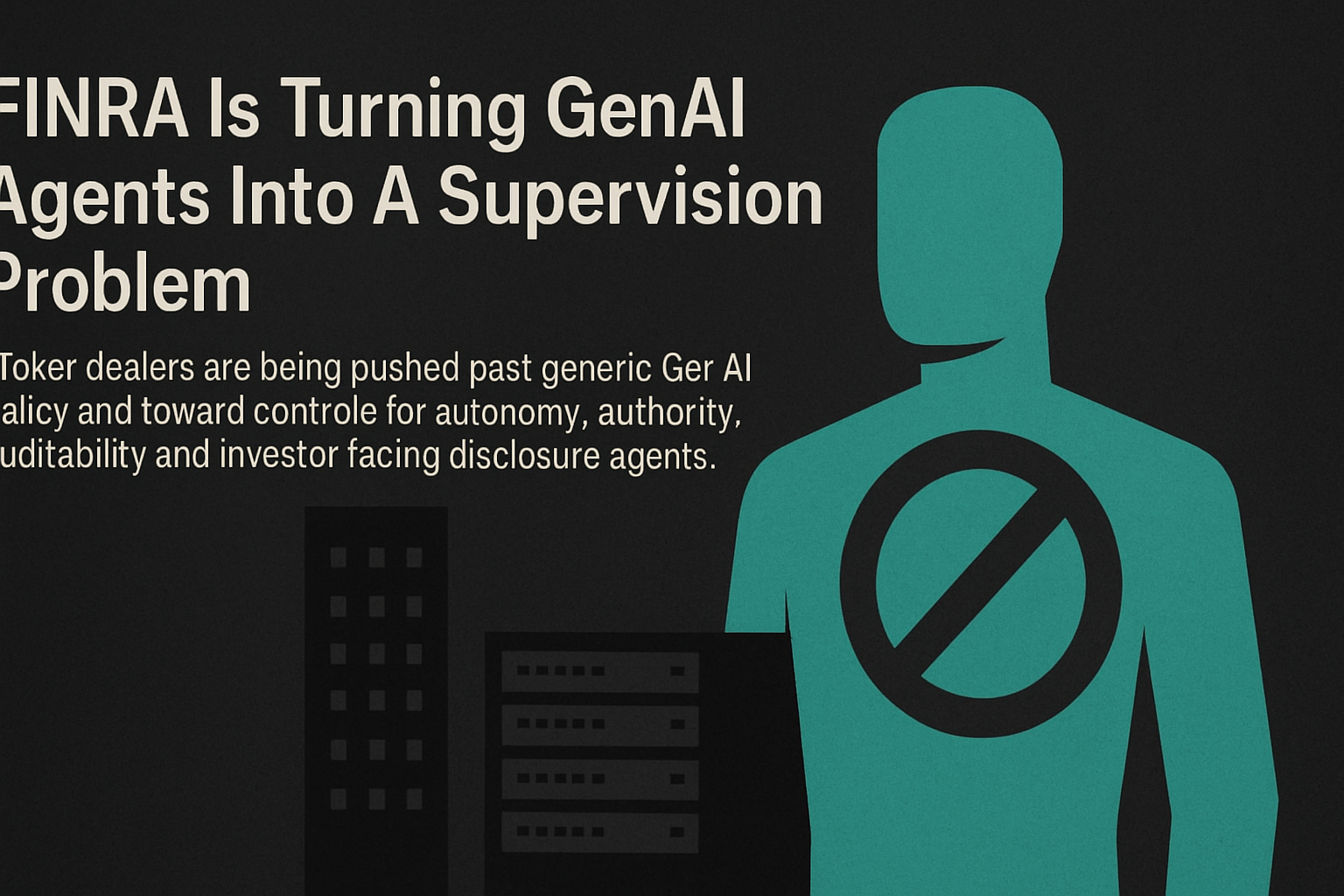
Broker-dealers are being pushed past generic GenAI policy and toward controls for autonomy, authority, auditability and investor-facing disclosure agents.
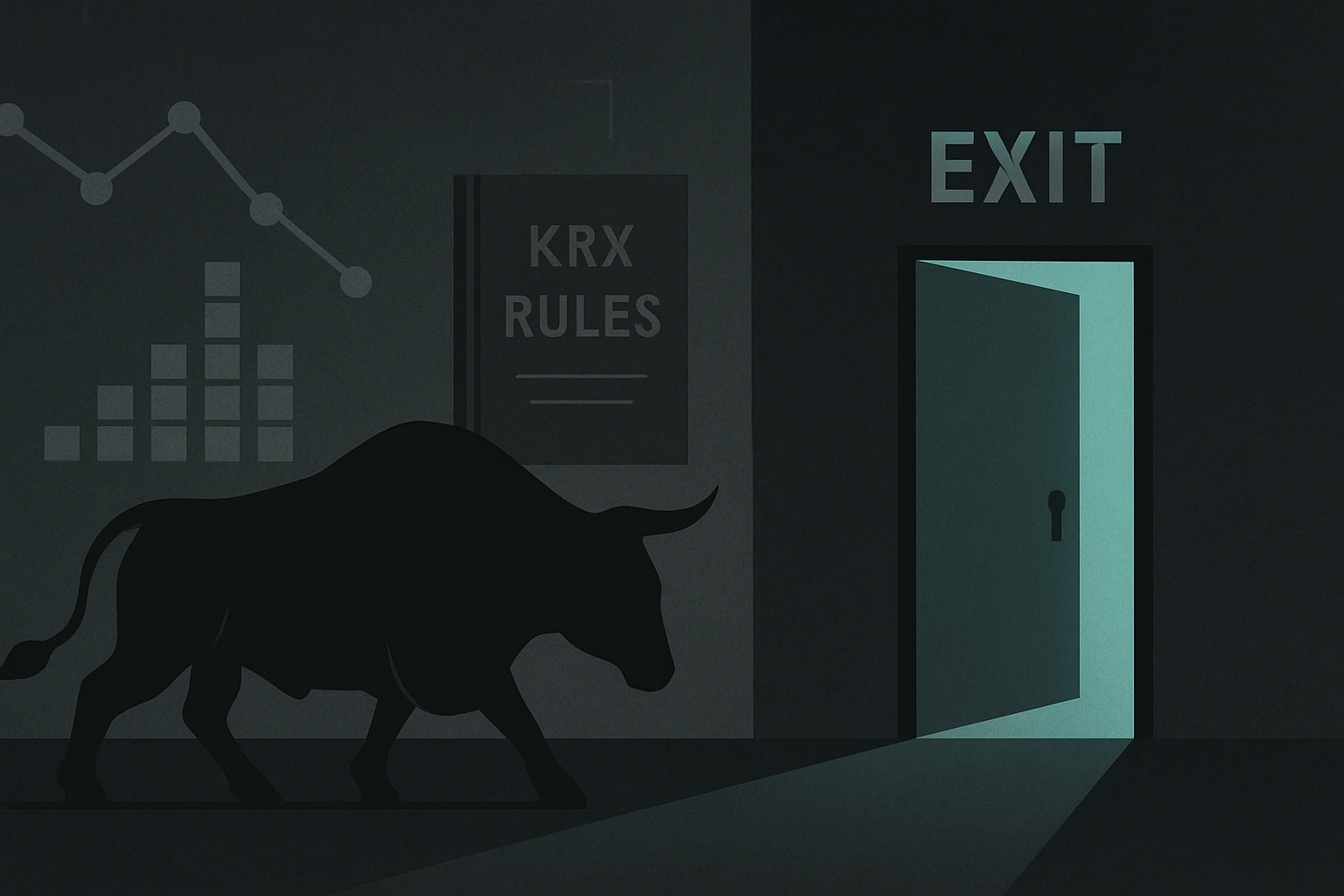
Seoul's KRX rule changes are a capital-market reform with teeth: higher delisting thresholds, anti-pump mechanics and faster removal of companies that should not be renting a public listing.
FSRA's VASP warning moves synthetic voice and video from scam awareness into virtual-asset operational resilience.
Hong Kong licensed the issuers first, then watched fake tickers arrive before the real tokens; the lesson is that registries, issuer notices and distribution controls are part of the launch, not compliance wallpaper.
Japan is not throwing the door open to foreign stablecoins; it is building a supervised access lane where travel-rule coverage and home-jurisdiction equivalence decide who can move.
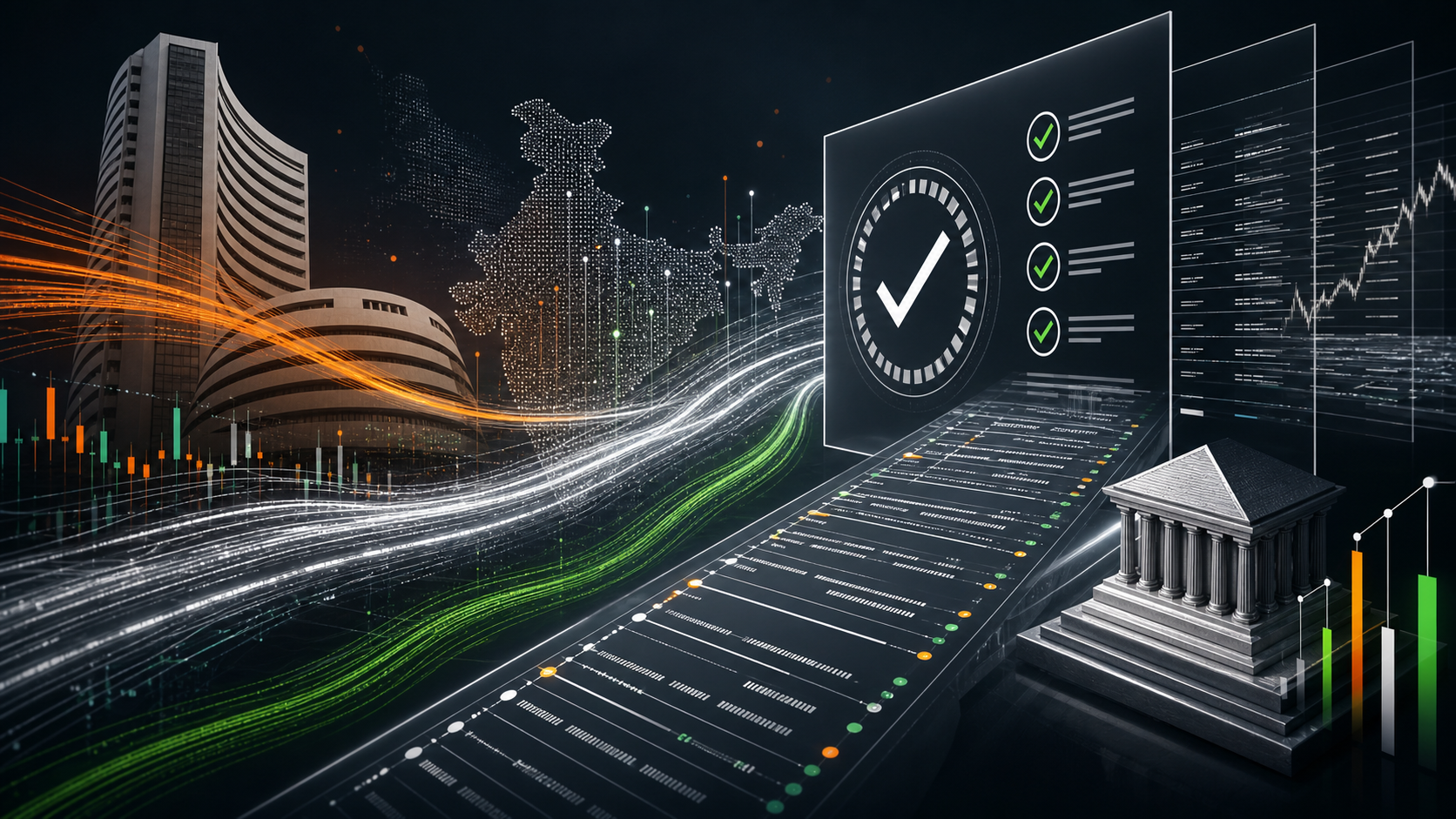
India's market-continuity story is shifting from a rarely used investor fallback portal to exchange-run contingency access, centralized cyber monitoring, and AI-risk playbooks.
Restricted Fed payment accounts would not hand fintechs the keys to central banking; they would turn account access into a programmable risk-control layer.
SEBI's PaRRVA framework moves adviser and research-analyst track records from marketing copy into a verified data layer.
Sandbox++ gives regulated firms supervisory guidance, Cyberport technical support and official complimentary GPU access, making compute part of the financial-supervision toolkit.
MiCA's July cutoff is less about paperwork than proving crypto firms can migrate clients, transfer assets, and stop unauthorised services without turning compliance into an exit scramble.
MiCAR makes euro stablecoin reserves look conservative, but the ECB's own scenarios show that growth can still migrate stress into bank deposits, HQLA books, and sovereign-bond demand.
Europe's securities firms are not just adopting AI at different speeds; they are discovering that governance capacity is becoming a scale advantage.
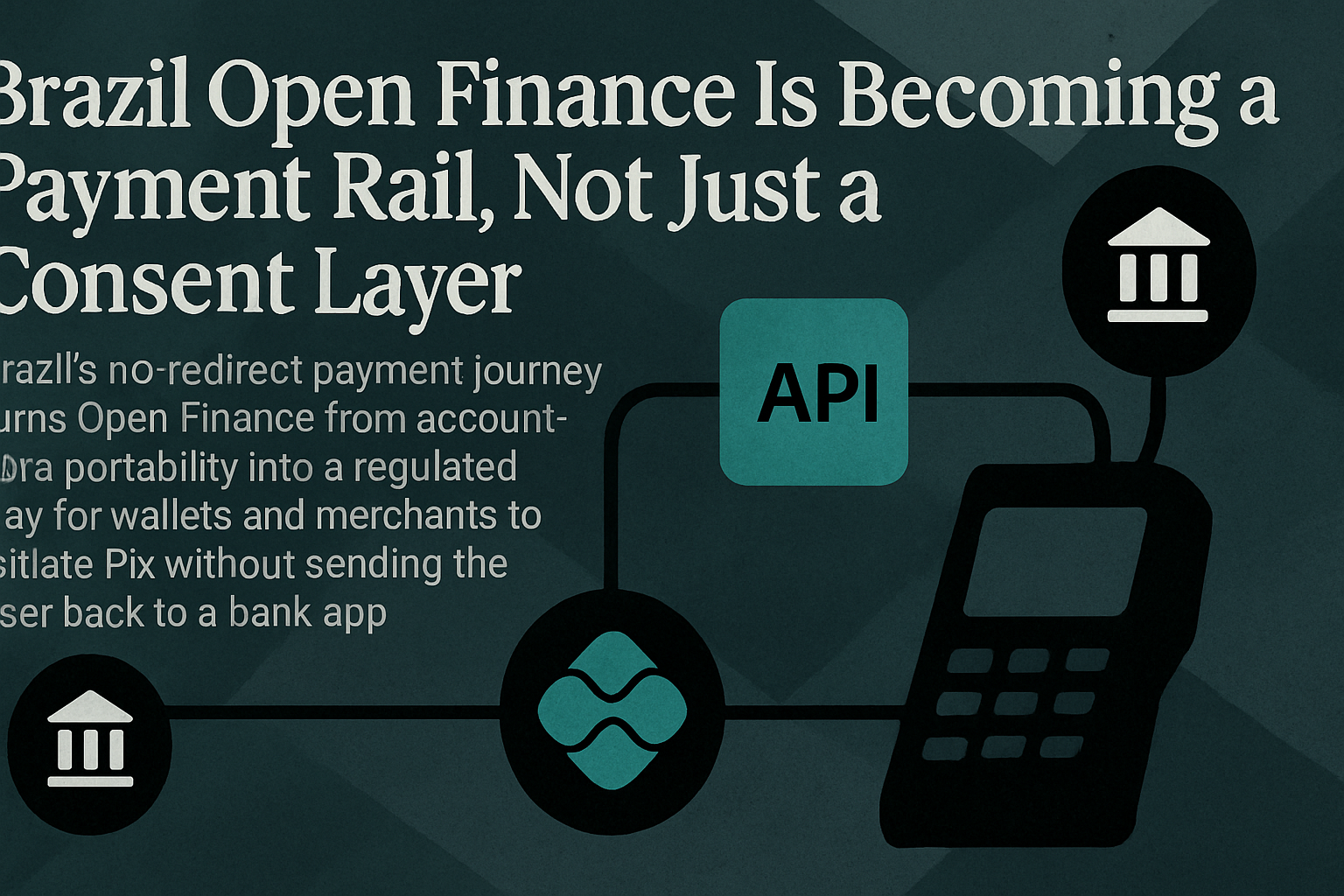
Brazil's no-redirect payment journey turns Open Finance from account-data portability into a regulated way for wallets and merchants to initiate Pix without sending the user back to a bank app.
EU and UK regulators are turning critical third-party oversight into the control layer for cloud, payment, custody and tokenised-market infrastructure before AI law settles.