Brazil Can Reject Pix Payments Before Mandatory Notice Begins
A fraud mark can stop a customer from sending or receiving Pix at one institution, but the central bank delays mandatory mark-specific notice until February 2027.
Markets, banking, fintech regulation, capital allocation and the financial impact of technology.
A fraud mark can stop a customer from sending or receiving Pix at one institution, but the central bank delays mandatory mark-specific notice until February 2027.
Opaque billing, exit fees and integration limits can now affect the scope and frequency of provider exams, but the public record does not yet show that banks have gained better terms.
Four listed lenders cut originations by at least 25% after Notice 9. Lexin grew, leaving regulation, funding conditions and asset quality as competing explanations for the split.
Several Chinese lenders now count AI usage when assessing asset-light firms. The useful question is whether token burn predicts repayment, not whether it sounds native to the industry.
Mexico is combining a proposed sector mandate with lower card fees and interoperable terminals, a three-part attempt to change how merchants accept money rather than simply launching another wallet.
A swap facility opened in June drew $52.3 billion of non-resident deposits and lifted reserves past $707 billion. The RBI shut it a month ahead of schedule, and both the reason it gives and the reason it does not point to a currency defence that costs more than the reserves number lets on.
CRD6's grandfathering window shut on July 11. New deposit and lending contracts with EU customers no longer sit outside the rules, and by January 11 every US, UK, Chinese and Swiss bank running Europe from an offshore desk must hold a locally authorized branch or walk away from new deals.
The Fed, OCC and FDIC re-proposed the endgame in March as net capital relief. Britain kept the tougher framework and calibrated it to neutral. The Atlantic split on how, not just how much.
The OCC gave Circle a national trust charter on July 10, pulling USDC toward direct federal supervision and preempting state licensing, in the same window six agencies missed the GENIUS Act rulemaking deadline.
The FSA's June 2026 custody and stablecoin rules, JPYC's approval, and a three-megabank stablecoin consortium show Tokyo routing crypto through its banks, the inverse of the US and EU.
The Visa Stablecoin Platform is settlement infrastructure, but launching on OUSD instead of USDC shows the real fight is over distribution, not who mints the dollar.
JPMorgan, Bank of America, Citigroup and Wells Fargo open Q2 earnings season on 14 July — the trading rebound will dominate the tape, but the global signal sits in net interest margins and commercial-real-estate provisions.
The I4C-RBIH MuleHunter pact turns mule-account detection from bank-by-bank friction into shared fraud infrastructure.
Restricted Fed payment accounts would not hand fintechs the keys to central banking; they would turn account access into a programmable risk-control layer.
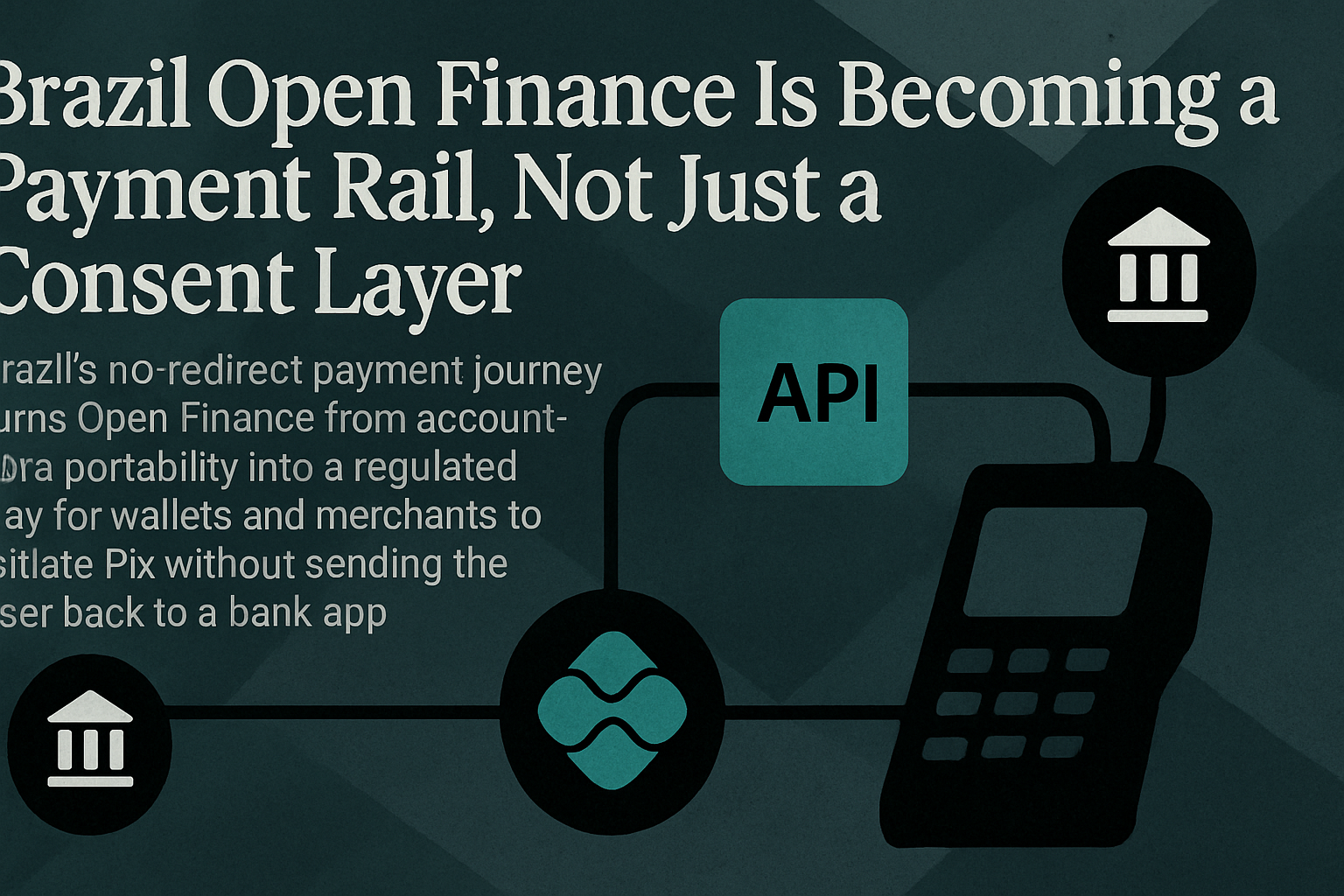
Brazil's no-redirect payment journey turns Open Finance from account-data portability into a regulated way for wallets and merchants to initiate Pix without sending the user back to a bank app.
Banxico's SPEI proposal treats mobile-transfer usability as financial infrastructure, not app decoration.
RBI's fraud paper does not attack UPI's success; it asks whether a payment rail built around speed now needs controlled friction for high-risk transfers.
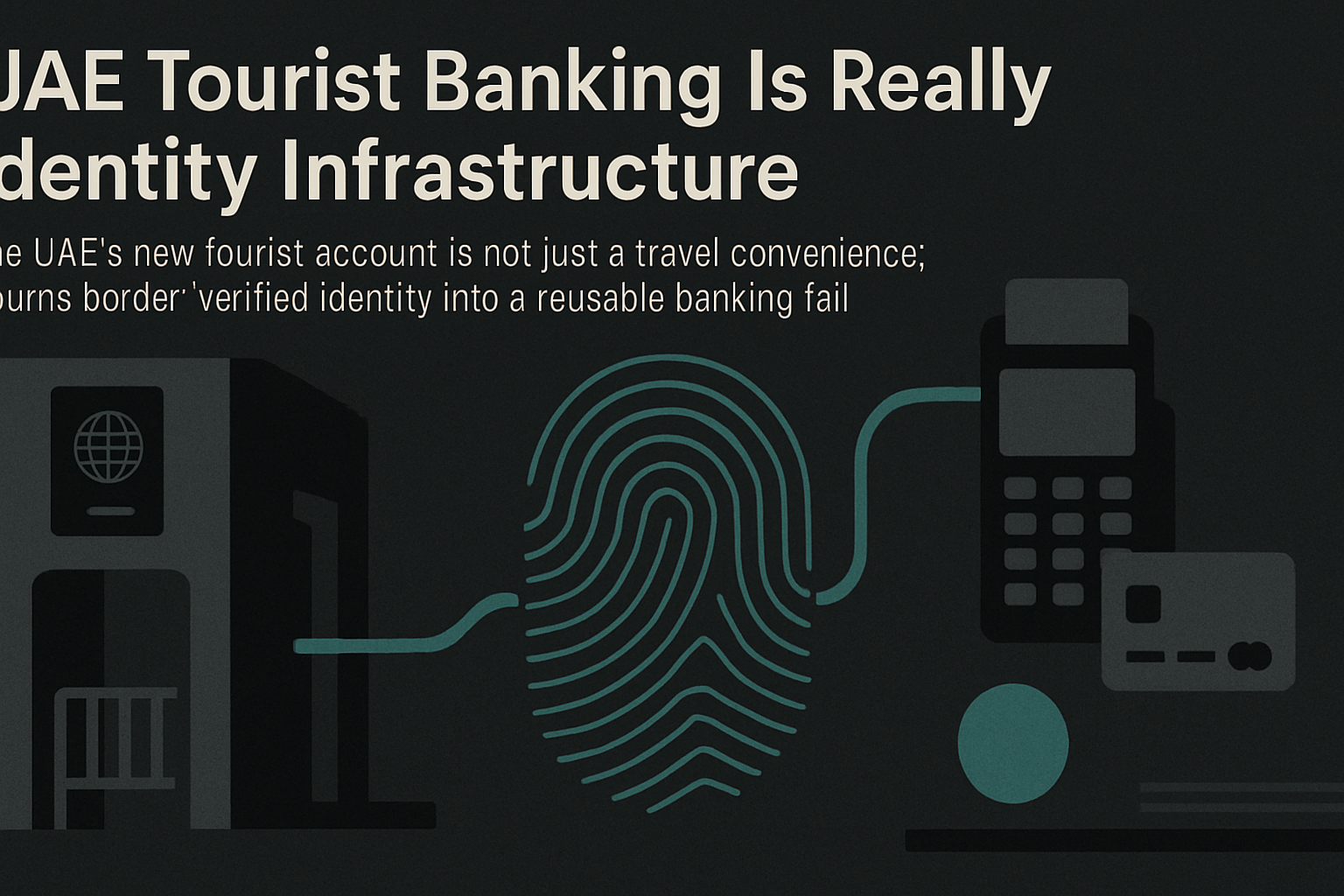
The UAE’s new tourist account is not just a travel convenience; it turns border-verified identity into a reusable banking rail for non-residents.
A new technology-sector guide gives banks a sharper checklist for climate lending, but it also pushes more judgment into underwriting.
South Korea's cloud-SaaS rule change turns bank AI adoption into an infrastructure-control problem, not another sandbox story.
Brazil built a public instant-payments rail large enough to squeeze card economics at home and attract formal U.S. trade scrutiny abroad.
Apollo, Blackstone, and Ares are stepping in where banks won't follow, financing the data centers and energy infrastructure that AI demands — at yields that haven't been seen in investment-grade debt since 2008.
The private credit market has surpassed $2 trillion in assets under management, overtaking traditional leveraged loan markets and drawing new regulatory scrutiny as institutional capital floods into direct lending.