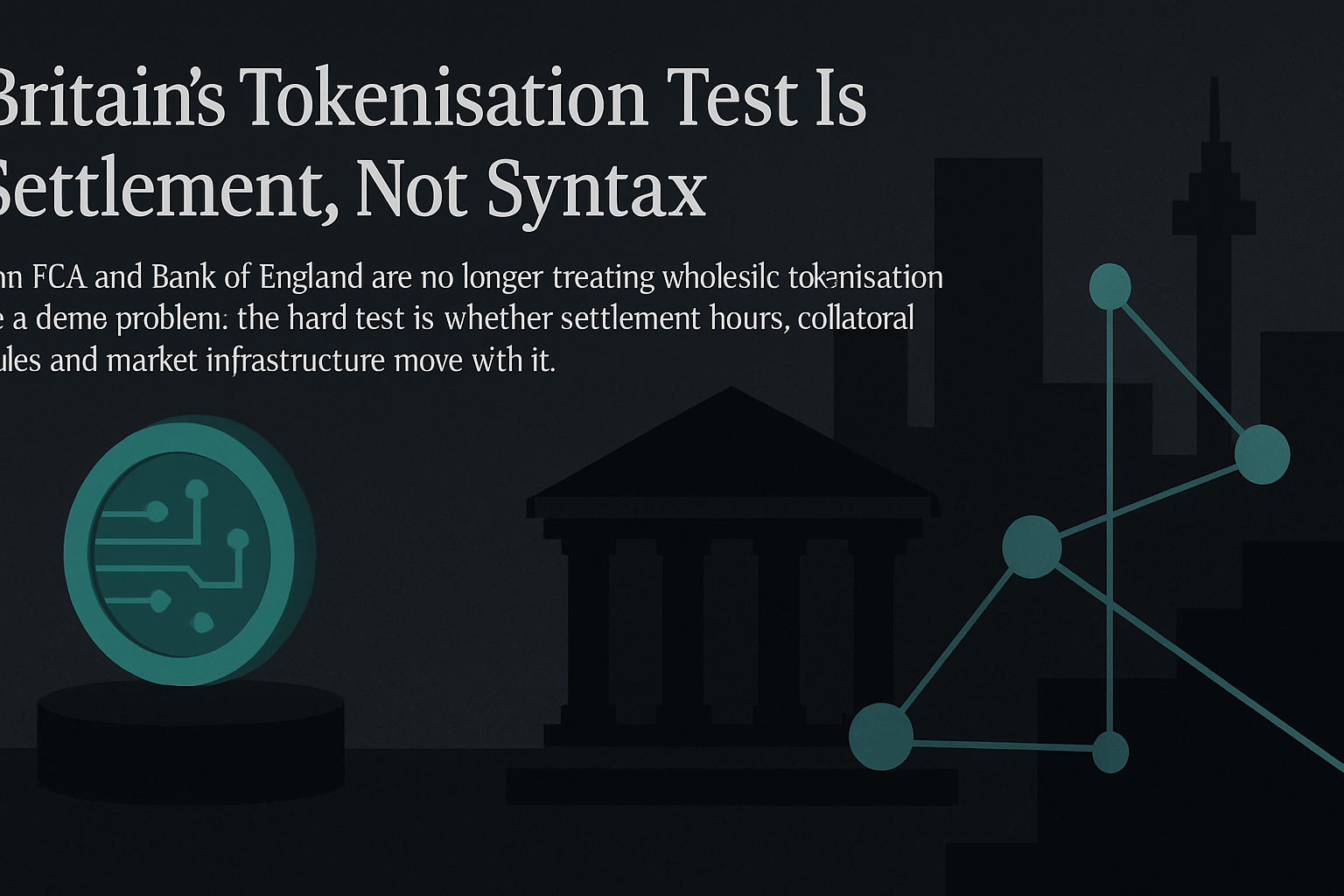
Britain’s Tokenisation Test Is Settlement, Not Syntax
The FCA and Bank of England are no longer treating wholesale tokenisation as a demo problem; the hard test is whether settlement hours, collateral rules and market infrastructure move with it.
Markets, banking, fintech regulation, capital allocation and the financial impact of technology.
The FCA and Bank of England are no longer treating wholesale tokenisation as a demo problem; the hard test is whether settlement hours, collateral rules and market infrastructure move with it.
British regulators are pairing frontier-AI cyber expectations with supervised rails for agentic payments, AML and customer tools.
The new U.S. policy line is that failing to deploy AI in finance can be a stability risk, not just a governance shortcut.
Banxico's SPEI proposal treats mobile-transfer usability as financial infrastructure, not app decoration.
ADGM's USD4.4 trillion AUM headline is not only a brag; it shows the Gulf trying to become an operating base for global capital, not just its source.
RBI's fraud paper does not attack UPI's success; it asks whether a payment rail built around speed now needs controlled friction for high-risk transfers.
ESMA's survey shows AI adoption in securities markets is not spreading evenly; it is giving larger firms a cheaper, earlier path to automation while smaller firms wait.
The SFC's secondary-trading framework tests whether tokenised funds can become regulated product plumbing, not just a new wrapper for old portfolios.
DORA is turning critical technology vendors into supervised financial infrastructure without pretending they are banks.
The FSC is legalizing distributed-ledger securities, but the design still points toward regulated issuers, KSD account controls, OTC brokers, and ordinary investor-protection machinery.
The UAE’s new tourist account is not just a travel convenience; it turns border-verified identity into a reusable banking rail for non-residents.
The National Participation Growth Fund gives households a state-cushioned route into strategic industries, but the risk transfer is more precise than the sales pitch.
A new technology-sector guide gives banks a sharper checklist for climate lending, but it also pushes more judgment into underwriting.
UAE and Saudi regulators are treating deepfake identity fraud as a live compliance problem for onboarding, payments, crypto custody, and incident reporting.
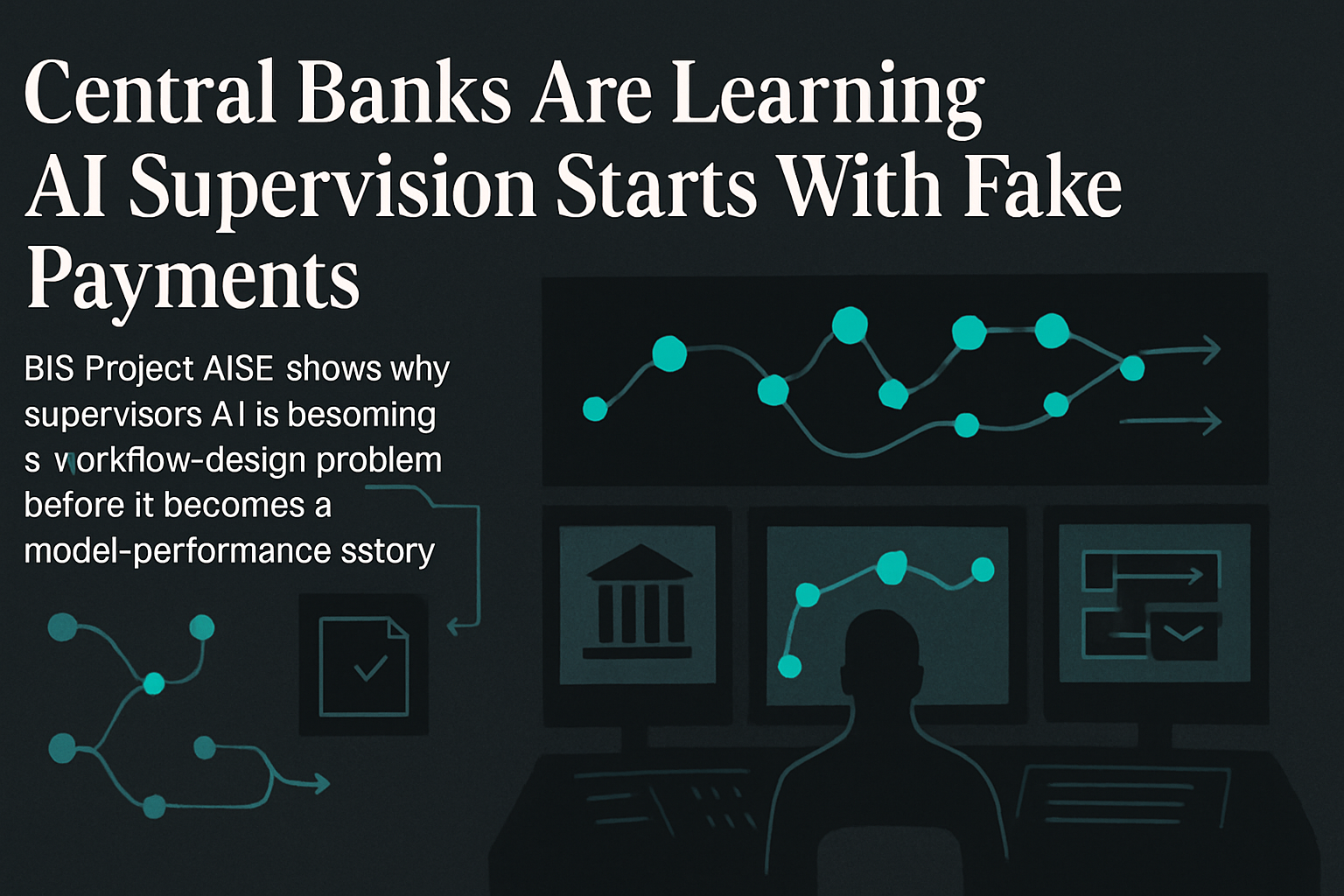
BIS Project AISE shows why supervisory AI is becoming a workflow-design problem before it becomes a model-performance story.
South Korea's cloud-SaaS rule change turns bank AI adoption into an infrastructure-control problem, not another sandbox story.
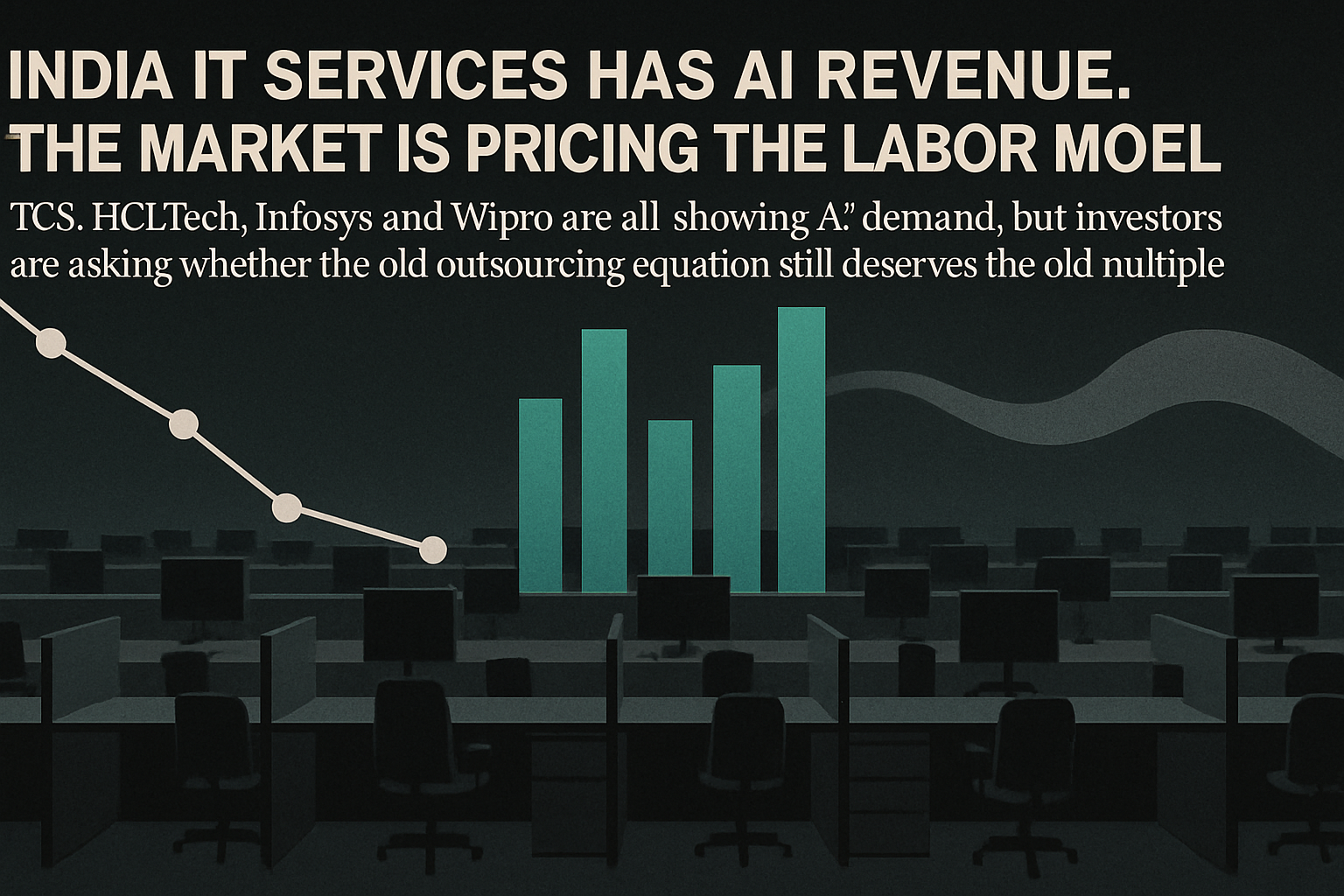
TCS, HCLTech, Infosys and Wipro are all showing AI demand, but investors are asking whether the old outsourcing equation still deserves the old multiple.
Seoul is turning AI policy into operational finance infrastructure: market surveillance on one side, small-business credit scoring on the other.
UK regulators are still avoiding a standalone AI rulebook, but frontier-model risk is pushing finance toward direct oversight of the cloud, model, and vendor layer.
Hut 8's new Beacon Point lease shows why miners with power are being valued like data-center landlords, but the market still has to separate contracted rent from conversion optionality.
SEBI is moving faster than India’s horizontal AI framework because securities-market AI risk already has a supervisor, a threat model, and live infrastructure to protect.
Japan's finance story is shifting from AI productivity to AI resilience, with JPX using models in surveillance while megabanks and regulators prepare for frontier-model cyber risk.
The last 30 days of U.S. spot Bitcoin ETF demand are still positive, but the latest five-trading-day tape turned negative and BlackRock is carrying enough of the category to make the broad-institutional-bid story look overstated.
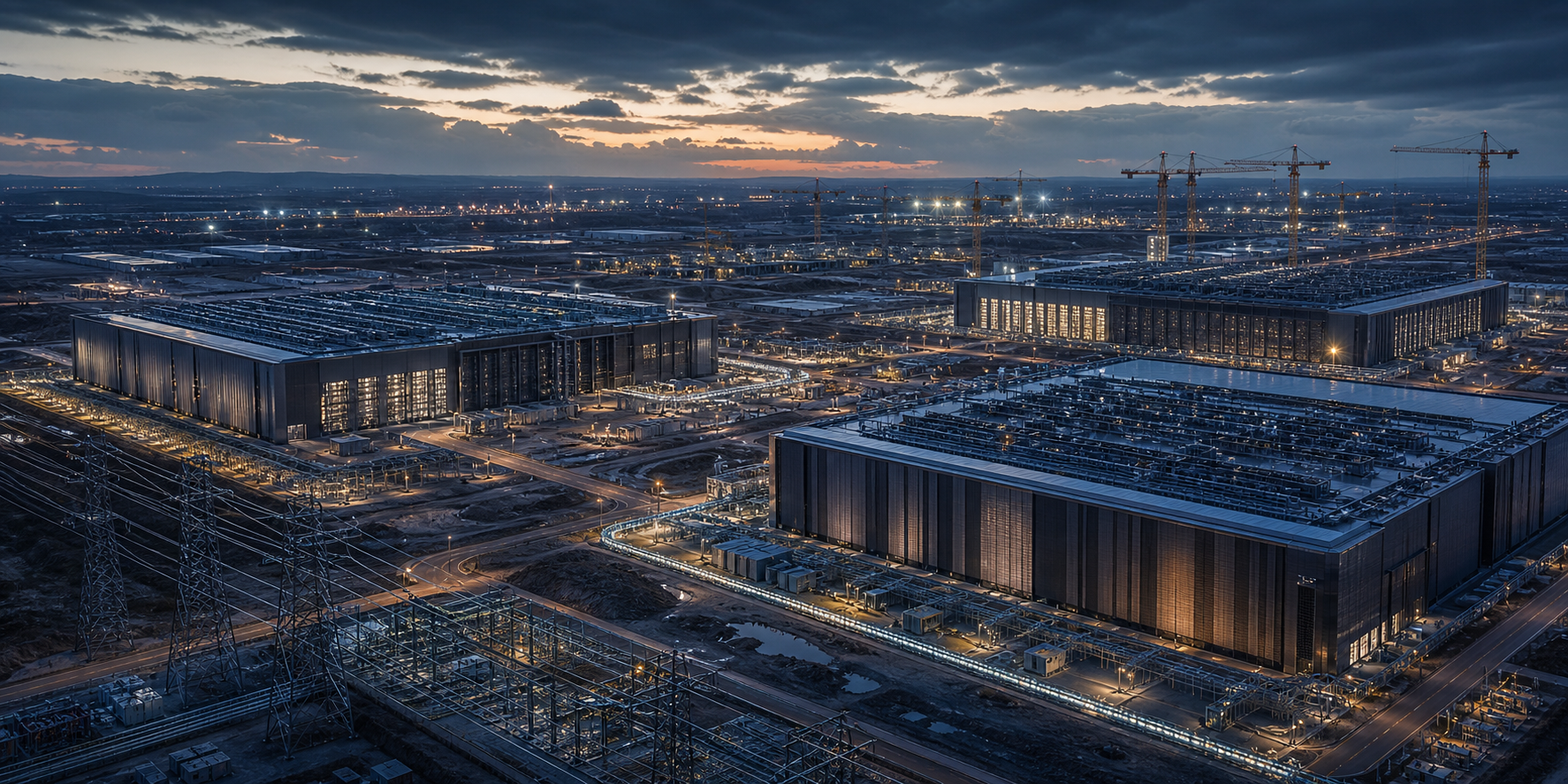
Alphabet, Amazon, and Meta alone point to roughly $517.5 billion of annual capex as the AI infrastructure cycle keeps accelerating.