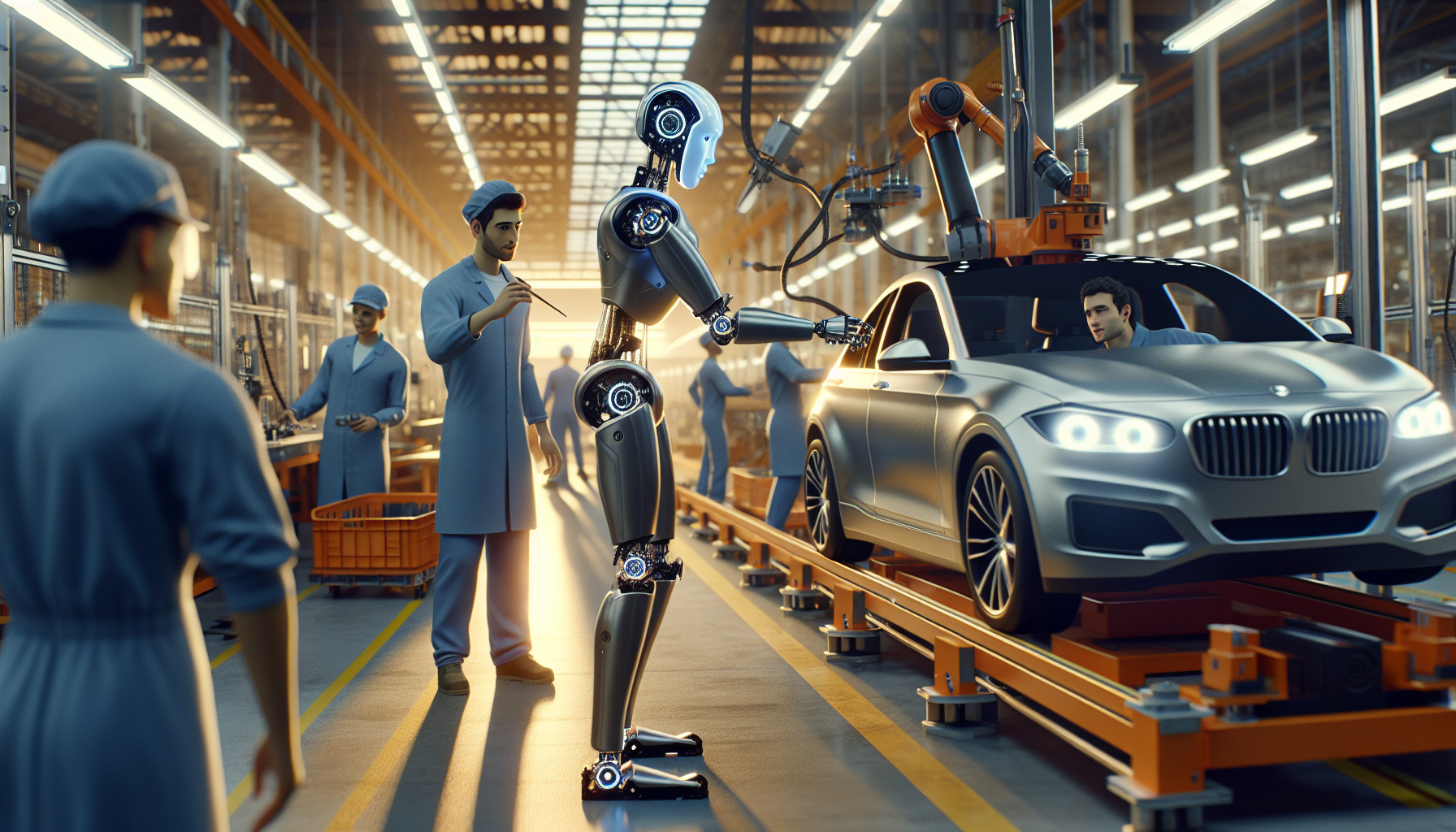
Humanoid Robots Enter the Factory Floor at Scale: The $38 Billion Inflection Point
Tesla Optimus 3, Figure 02, and Agility Robotics Digit are moving from pilots to production lines — and the economics of manual labor may never recover.
Platforms, chips, software and the companies building the next layer of the economy.
Tesla Optimus 3, Figure 02, and Agility Robotics Digit are moving from pilots to production lines — and the economics of manual labor may never recover.
Four years after the CHIPS Act passed with bipartisan fanfare, fabs are rising in Arizona and Ohio — but the race to break Asia's semiconductor monopoly is proving far more complex, and far more expensive, than anyone in Washington expected.
With U.S. tariffs on Chinese goods hitting 145% and Beijing restricting rare earth exports, the global semiconductor supply chain is undergoing its most dramatic restructuring in decades.
Anthropic's Claude 4 Sonnet is outpacing its predecessors in agentic deployments, with enterprises reporting measurable gains in multi-step task completion and reduced hallucination rates.
From Riyadh to Mumbai to Paris, governments are pouring hundreds of billions of dollars into national AI infrastructure — driven not just by economic ambition but by a deepening conviction that reliance on foreign AI models is a strategic vulnerability they can no longer afford.
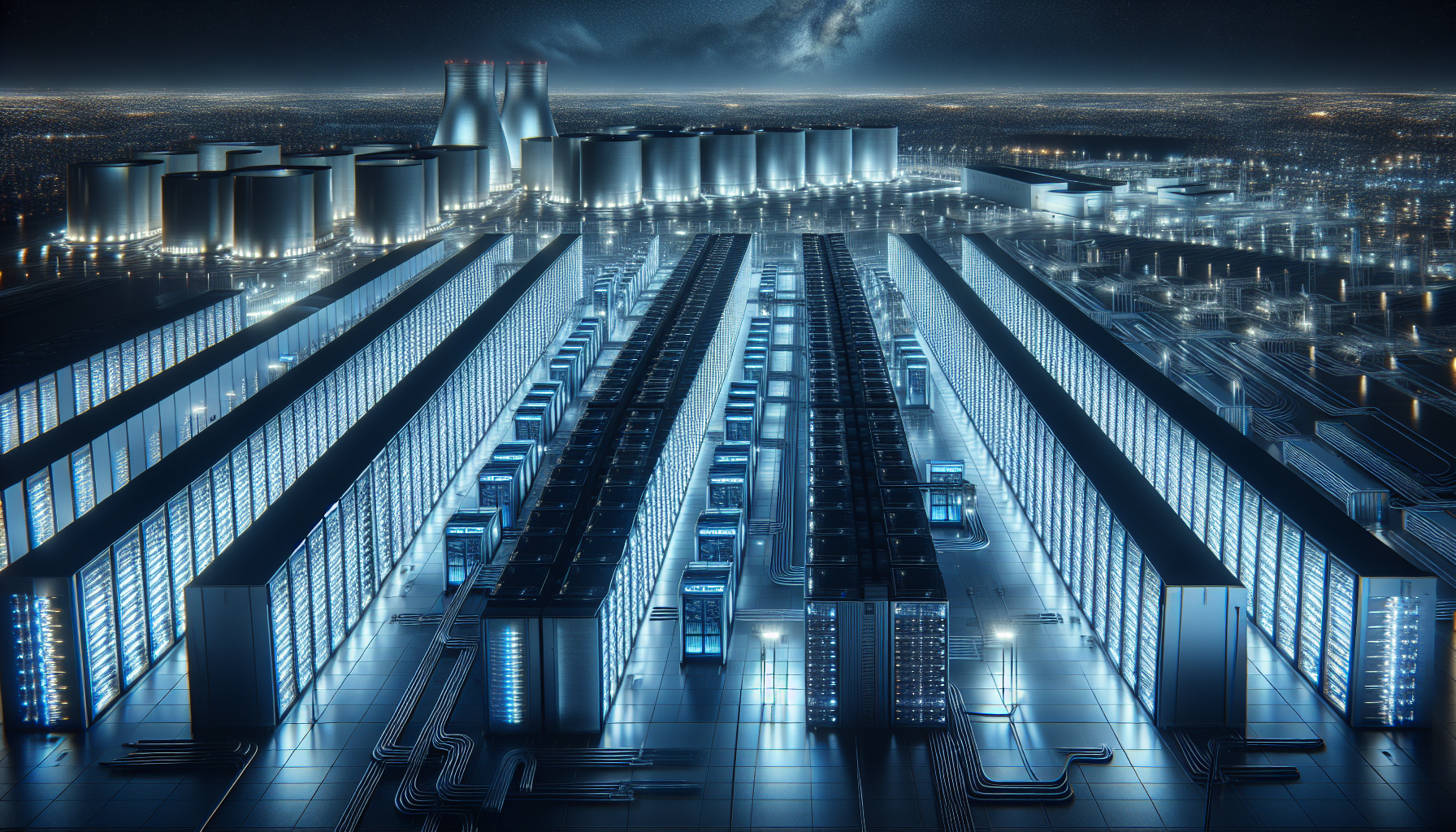
As AI model training and inference demand threatens to overwhelm the grid, Microsoft, Google, Amazon, and Oracle have collectively committed over $100 billion to nuclear power deals — triggering the biggest revival of atomic energy in half a century.
What began as MicroStrategy's contrarian bet in 2020 has become a mainstream corporate treasury strategy — with 87 public companies now holding a combined $94 billion in Bitcoin reserves.
Apple's second-generation Intelligence platform processes 40 billion AI queries monthly entirely on-device — and it's fundamentally changing how the company competes with Google and Microsoft.
As US export controls tighten around advanced semiconductors, Beijing has deployed a calibrated response — restricting the rare earth and specialty mineral exports that underpin the entire global chip supply chain, forcing Washington and its allies to accelerate a costly domestic mining push.
The OpenAI-SoftBank-Oracle consortium has broken ground on 16 new data center campuses in five states, with the first Abilene, Texas supercluster now powering live inference workloads — and the capital commitment is only accelerating.
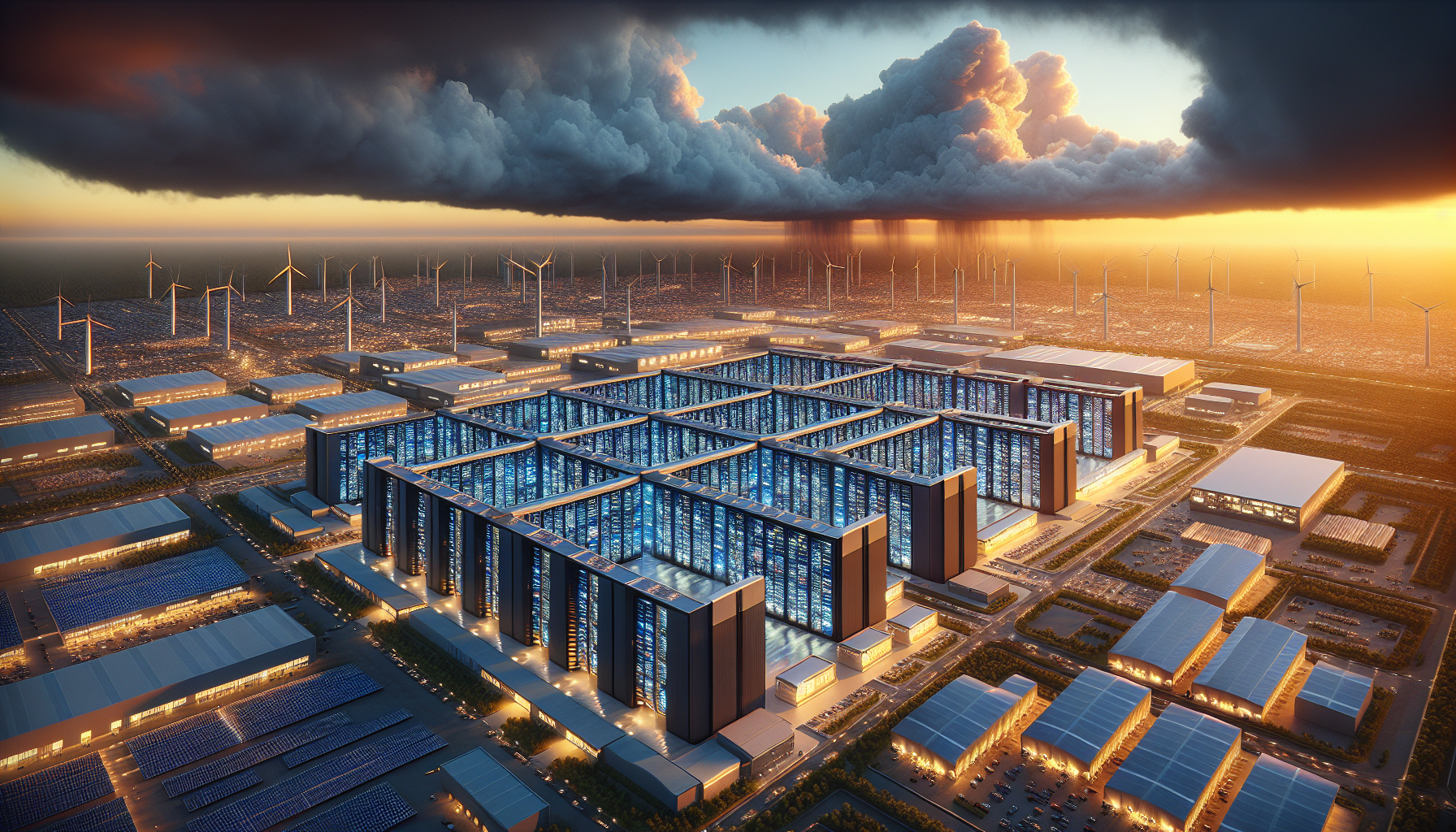
Data centers training and serving AI models now consume more electricity than several mid-sized nations — and the infrastructure investment required to keep pace is triggering a global energy rethink.
While OpenAI and Google battle for cloud AI supremacy, Apple is executing a fundamentally different strategy — and enterprise IT departments are taking notice.
A new class of AI systems that plan, execute, and self-correct multi-step tasks is beginning to replace entire categories of white-collar workflow software.
Waymo now completes over 250,000 paid robotaxi rides per week across four U.S. cities — but Tesla's Cybercab launch and Chinese rivals are turning 2026 into a pivotal year for autonomous vehicle commercialization.
With August 2026 marking the enforcement of high-risk AI rules under the EU AI Act, companies are racing to audit systems, appoint oversight officers, and avoid fines of up to €35 million.
After a cautious rollout, Apple Intelligence is finding serious traction in corporate environments — and its on-device privacy model may prove to be a decisive advantage over cloud-first competitors.
Nvidia's latest quarterly results shattered records as Blackwell GPU revenue hit $39 billion, cementing the chipmaker's grip on the global AI infrastructure market.
The FDA has approved more AI-powered medical devices in the first quarter of 2026 than in all of 2022, signaling a regulatory environment that's finally catching up with clinical reality.
Hyperscalers are committing record capital to AI infrastructure, but NVIDIA's Blackwell GPU supply crunch is forcing hard choices about who gets compute — and at what price.
A new generation of AI-driven biotech platforms is cutting the path from target identification to clinical candidate from 4-6 years to under 18 months — and the first wave of AI-native drugs is entering Phase II trials.
Meta's open-source Llama 4 family has quietly become the default AI backbone for thousands of enterprises — and it's forcing a fundamental rethink of how companies pay for intelligence.
After years of viral demos, humanoid robots from Figure AI, Tesla, and 1X Technologies are finally performing real work in real factories — and the economics are starting to make sense.
AI model training and inference workloads are pushing U.S. electrical grids to their limits, forcing utilities, hyperscalers, and policymakers into an unprecedented scramble for power.
Autonomous AI agents are beginning to absorb workflows that enterprise SaaS platforms built their business models on, forcing incumbents to adapt or cede ground.