Unknown AI Agents Put Identity Inventories Under Strain
Enterprise AI-agent risk is moving from prompt safety into inventory, permissions, lifecycle control and decommissioning.
Model releases, frontier-lab strategy, AI policy and the economics of machine intelligence.
Enterprise AI-agent risk is moving from prompt safety into inventory, permissions, lifecycle control and decommissioning.
Email security is not losing because phishing got poetic; it is losing when payloads, relationships and user behavior move faster than controls.
Enterprise data security is moving from files and email into prompts, uploads, browser sessions and personal AI accounts.
Frontier coding models hallucinate fewer dependency names than older systems, but the remaining error rate is now measurable enough for attackers to mine.
The control plane for enterprise AI is moving into the inference path, where prompts, tokens, routing, identity and observability decide whether models become production systems or unmanaged exposure.
Vision-capable AI makes screenshots, PDFs, forms and images part of the instruction surface. That means document intake is no longer just preprocessing.
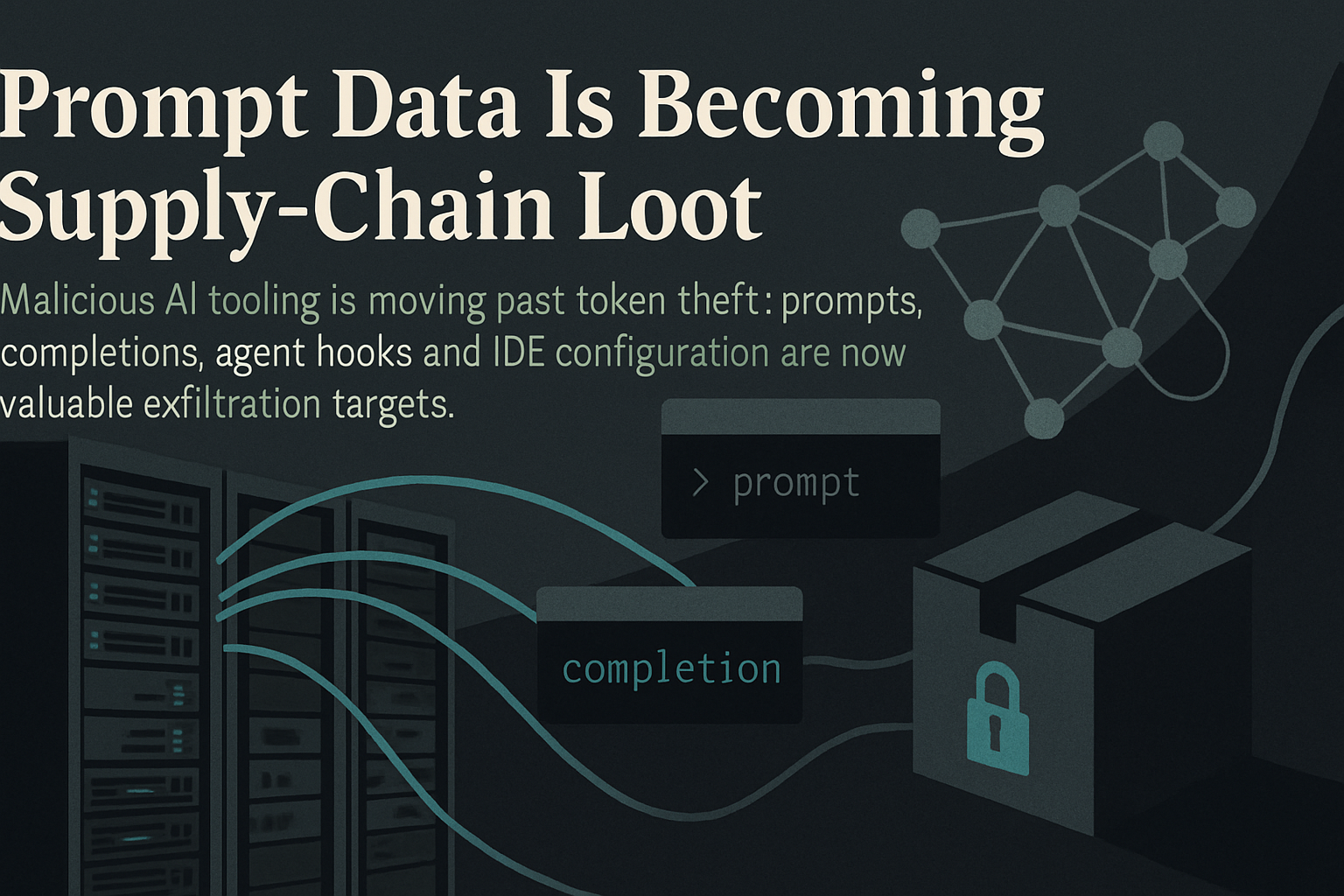
Malicious AI tooling is moving past token theft: prompts, completions, agent hooks and IDE configuration are now valuable exfiltration targets.
Five Eyes cyber agencies are moving agent deployment from model-safety language into identity, privilege, logging and runtime containment.
AI security teams have spent years scanning packages and plugins. The quieter risk is the model artifact itself: a file that looks like weights can still behave like code.
The next retrieval-security problem is not only prompt injection; it is poisoned knowledge, manipulated access, external context and tool boundaries feeding the model.
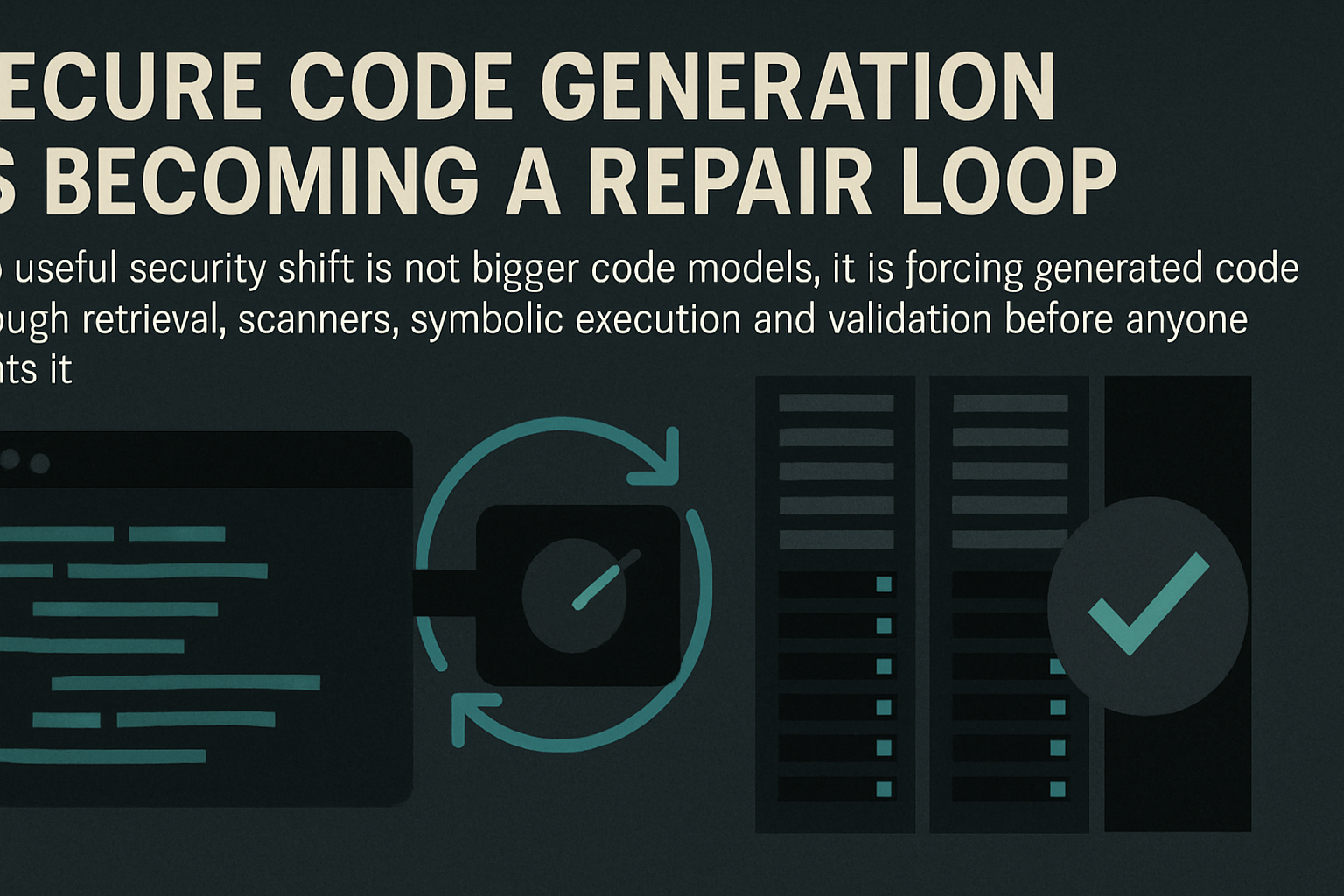
The useful security shift is not bigger code models. It is forcing generated code through retrieval, scanners, symbolic execution and validation before anyone trusts it.
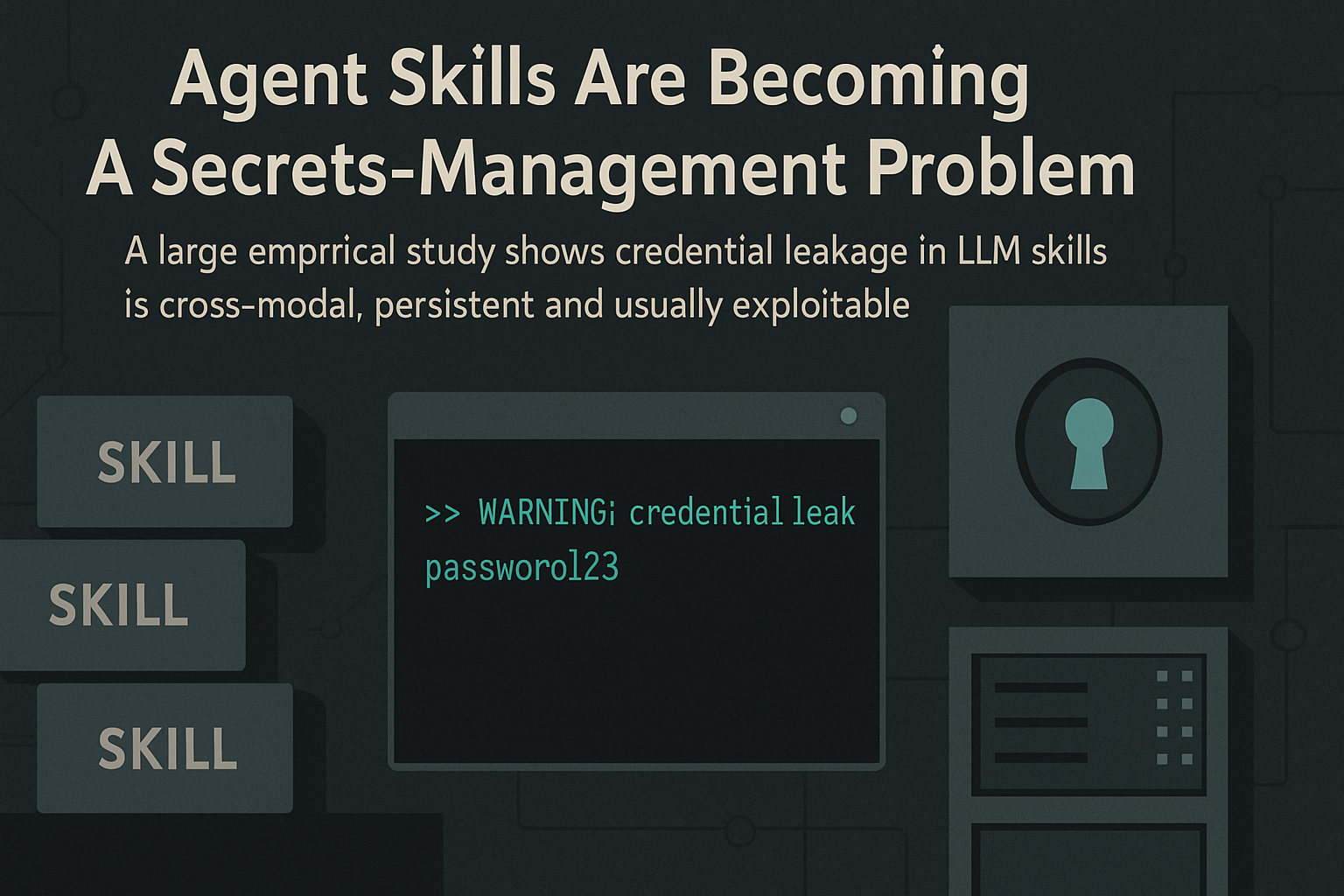
A large empirical study shows credential leakage in LLM skills is cross-modal, persistent and usually exploitable without special privileges.
Tool descriptions, responses and agent memory are starting to look less like metadata and more like executable dependencies.
ATLAS is turning AI security from abstract model risk into threat-informed defense that CISOs can map, filter and operationalize.
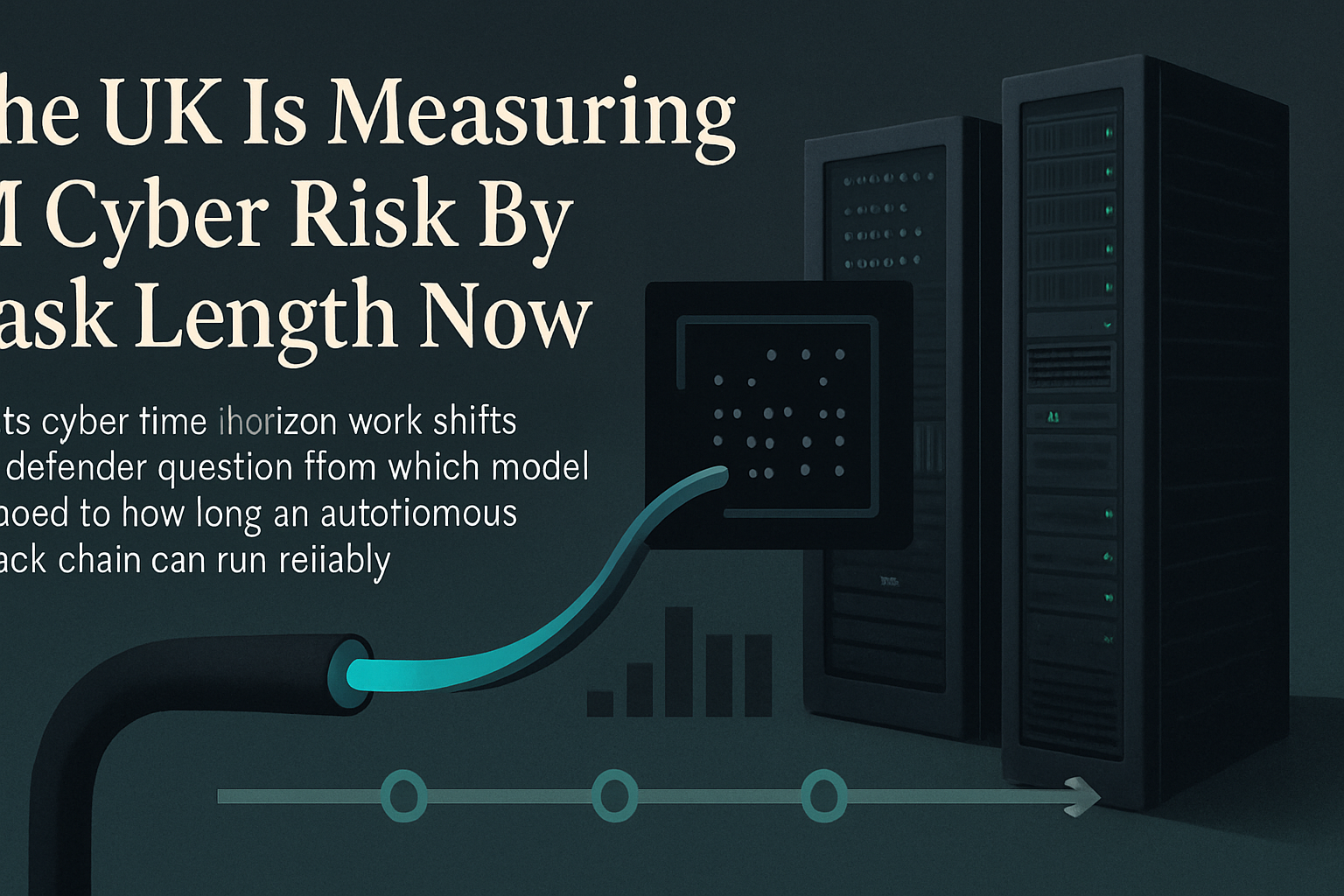
AISI’s cyber time-horizon work shifts the defender question from which model shipped to how long an autonomous attack chain can run reliably.
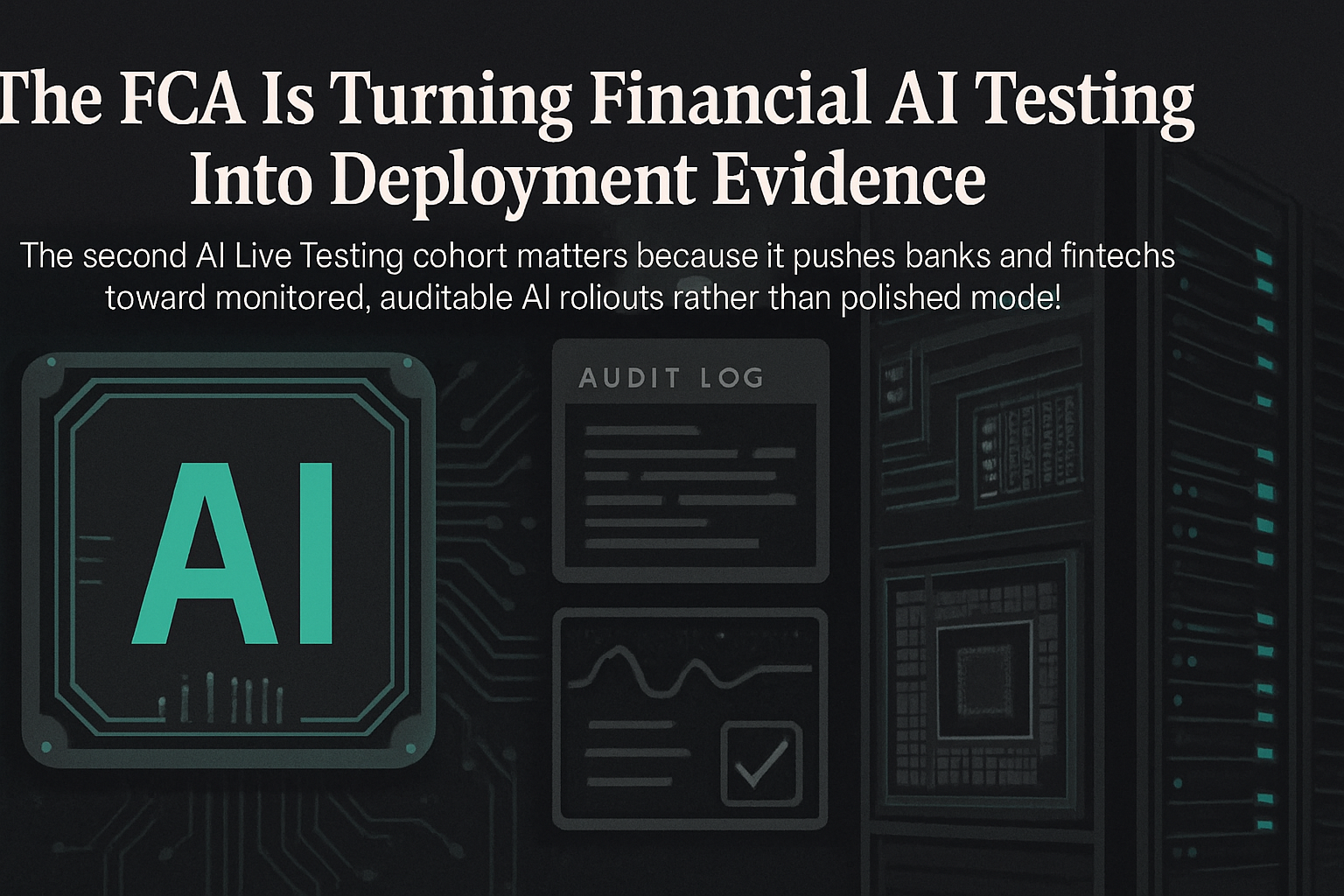
The second AI Live Testing cohort matters because it pushes banks and fintechs toward monitored, auditable AI rollouts rather than polished model demos.
The Android DMA case turns AI competition into a fight over wake words, app actions, context, background execution and the hooks Gemini can use by default.
CADE’s Microsoft/Inflection call-in shows AI competition governance is moving from corporate form to control over teams, models and optionality.
The U.S. is not licensing frontier models, but CAISI’s pre-release testing deals make government evaluation a practical compliance checkpoint for the largest labs.
The FCA’s 2026/27 perimeter report points to a harder gap: general-purpose LLMs can guide financial decisions without making users feel outside regulated-advice protection.
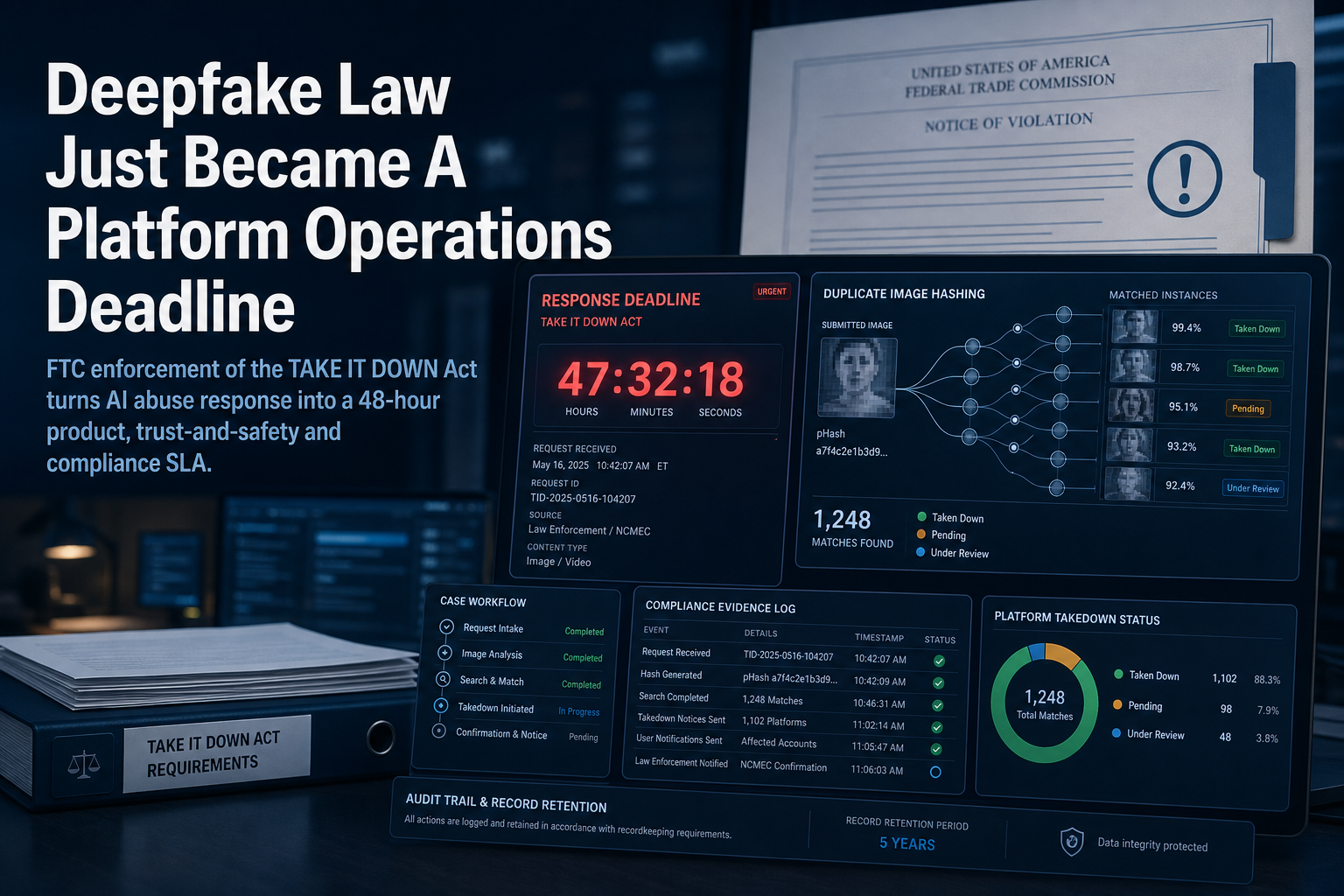
FTC enforcement of the TAKE IT DOWN Act turns AI abuse response into a 48-hour product, trust-and-safety and compliance SLA.
GENAI is not just a civil-service chatbot rollout. It is a state-built reference stack that could decide which domestic models, data rails, and deployment patterns get demand before the private market does.
Beijing is turning AI ethics into committees, service centers, and risk-monitoring workflows, which matters more than another slogan about trustworthy systems.
AI-enhanced imaging does not need to make every hand photo dangerous; it only needs to make usable ridge detail easier to find, rank, and route into weak biometric workflows.