IndiaAI Is Turning Governance Into An Execution Layer
India is not waiting for a horizontal AI statute before it makes oversight operational; it is pushing governance through funding, standards, compute allocation and sector deployment.
Model releases, frontier-lab strategy, AI policy and the economics of machine intelligence.
India is not waiting for a horizontal AI statute before it makes oversight operational; it is pushing governance through funding, standards, compute allocation and sector deployment.
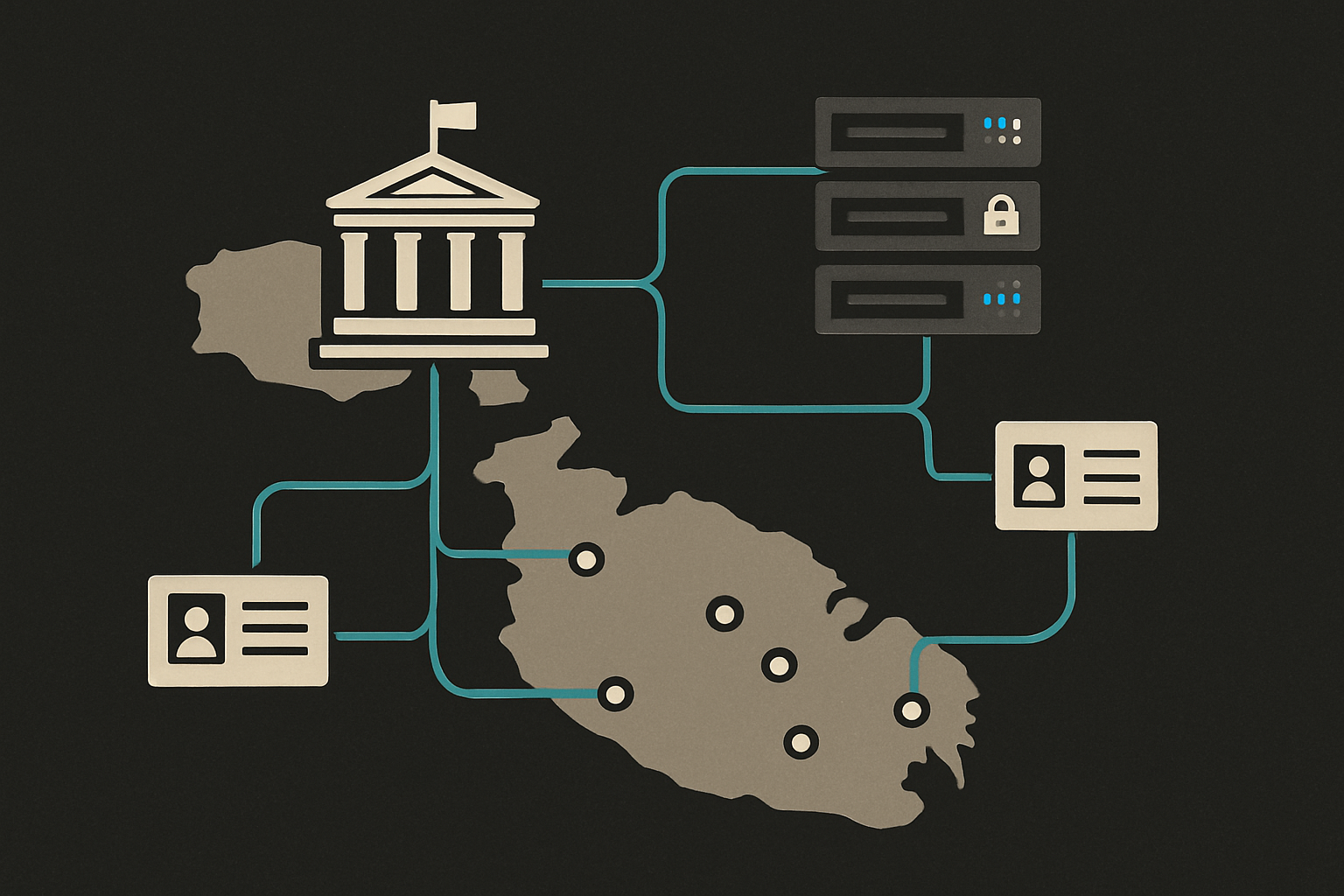
Malta's OpenAI deal is small in population terms, but it tests a bigger distribution model: subsidized consumer AI access tied to national literacy, not ordinary software procurement.
The EU's AI energy consultation is really about building the accounting layer for models, inference and data centres before politics turns electricity into the constraint.
Beijing's new agent guidelines treat autonomy, identity, tooling and safety controls as infrastructure questions, not chatbot features.
AI-enhanced imaging does not make every selfie a bank breach, but it makes one thing clear: biometric credentials cannot be treated like secrets you can rotate.
The Malta deal is less about one free subscription than a new distribution model: governments subsidising AI access, literacy and vendor adoption in the same package.
Brussels is not just softening the AI Act. It is trying to make regulation look like a usable production system before the hardest rules arrive.
Japan's AI policy is less about office copilots than about the data plumbing needed to make robots, factories, and model-ready industrial systems work.
OpenAI's media move is less about owning a talk show than about controlling where technical trust is formed before buyers enter a sales process.
Anthropic's protocol is spreading faster than most model launches because it solves the boring problem every agent needs solved: how to touch tools without every vendor inventing a new socket.
GLM-5.1, Kimi K2.6, MiniMax M2.7, and DeepSeek V4 arrived in a coordinated 12-day window with benchmark scores matching Western frontier models — at a fraction of the cost.
Akamai says a leading U.S.-based frontier-model provider has committed $1.8 billion over seven years for cloud infrastructure services, and Reuters, citing Bloomberg, reports the customer is Anthropic — a sign that AI compute demand is broadening beyond the biggest cloud platforms.
Microsoft's latest diffusion report says generative AI reached 17.8% of the world's working-age population in the first quarter of 2026, but the sharper signal is how quickly adoption is separating richer and poorer economies.
OpenAI has released two new transcription models and a steerable text-to-speech system, pairing broader language coverage with low per-minute pricing as the market for enterprise voice agents accelerates.
AMD's latest numbers suggest the global AI infrastructure boom is starting to reward more than one chip supplier, as data-center revenue jumps and hyperscalers widen deployments.
The round — anchored by an Amazon top-up and a new sovereign-led syndicate — values the Claude maker at roughly twice its mid-2025 mark and underscores how much of frontier AI's cost has migrated from talent to data center capacity.
New Delhi roughly doubles its empanelled compute pool inside 14 months; allocations weighted toward Nvidia H200 and B200, with a 15% carve-out for AMD and indigenous C-DAC silicon.
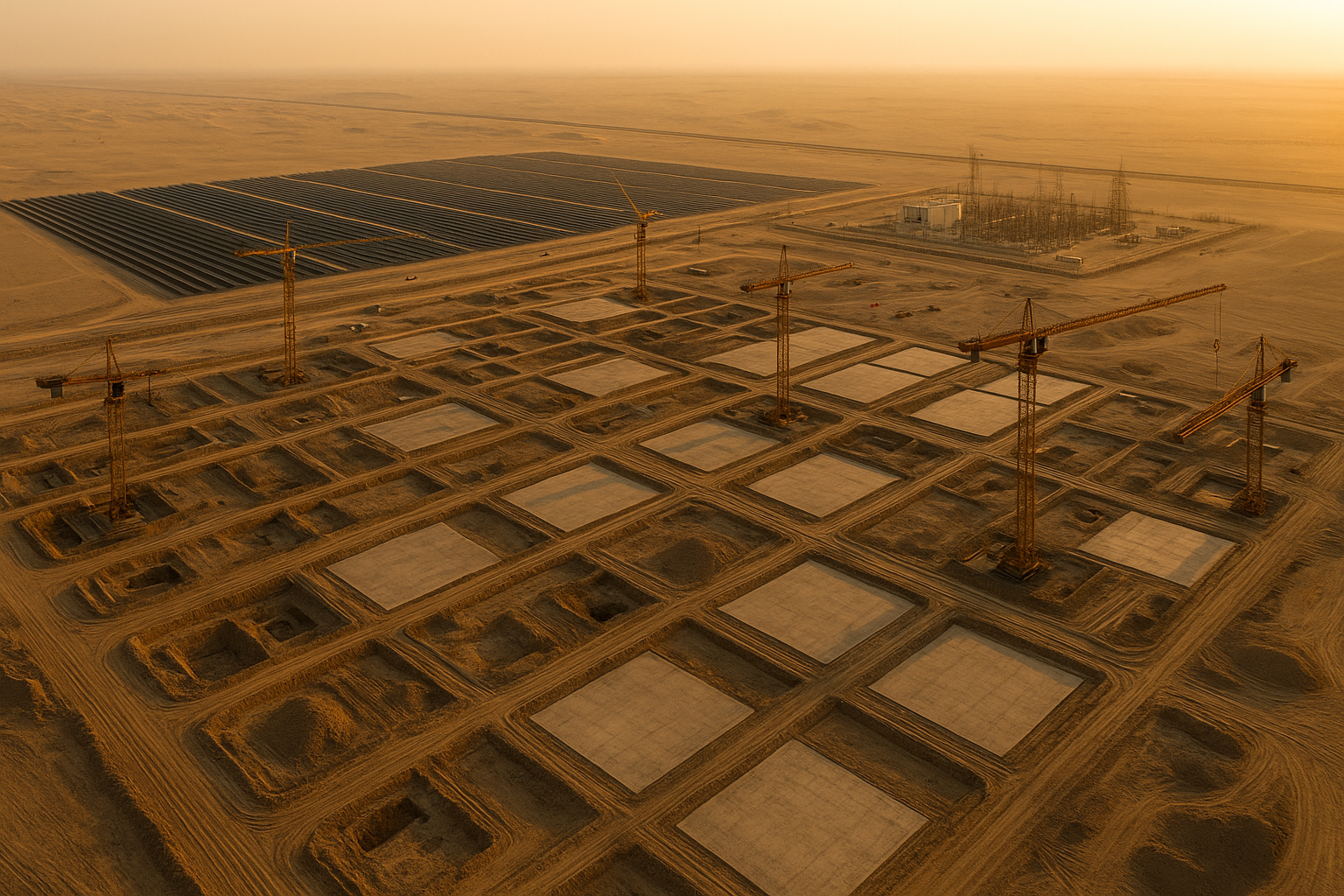
Construction formally begins on the OpenAI-G42-Microsoft-Oracle-Nvidia project announced last May, with first 200MW phase due online by mid-2027 and full capacity targeted for 2030.
Microsoft for the first time disclosed paid Copilot seat counts, more than doubling in nine months as Azure inference workloads accelerated growth to 36% in constant currency.
Elon Musk's flagship Memphis supercluster crosses a symbolic threshold, but Tennessee Valley Authority capacity and on-site gas turbines now define how fast the next training run can start.
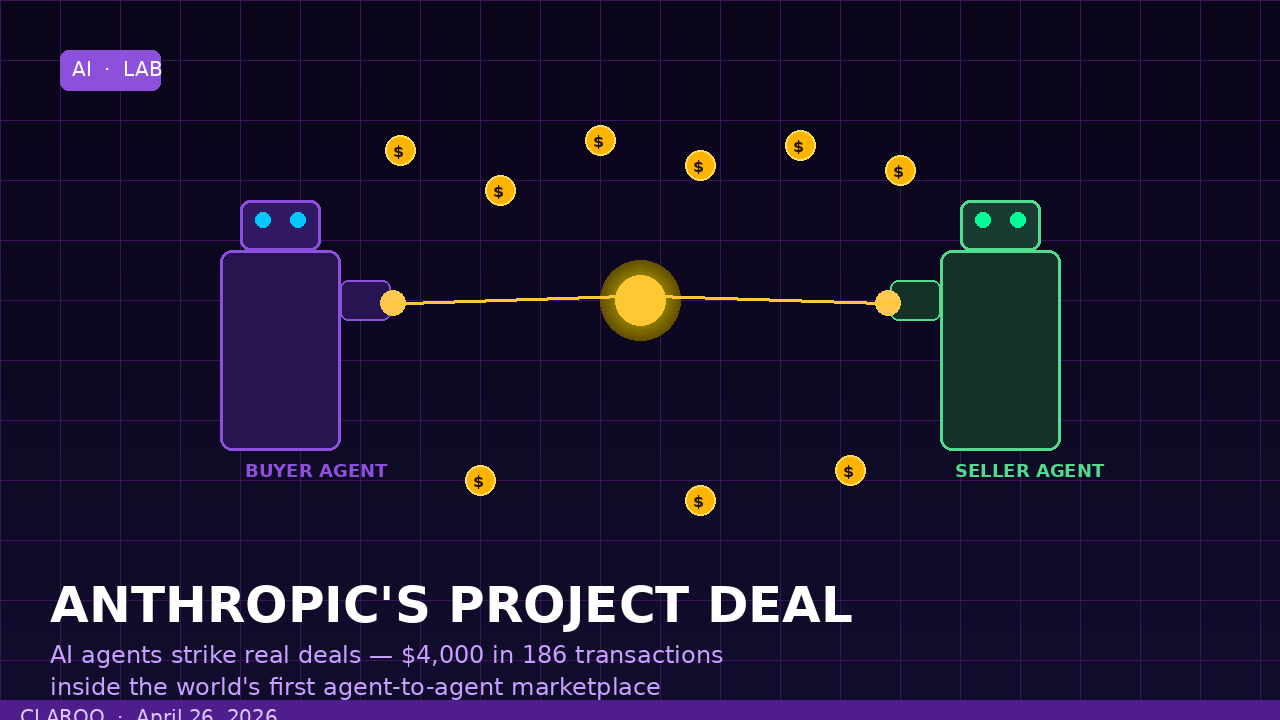
An internal experiment with 69 employees and $4,000 in real transactions reveals how agent quality gaps could silently disadvantage users in autonomous AI commerce
Backed by Schwarz Group's €500M war chest, the Canadian-German merger targets sovereign AI for regulated industries shut out of the OpenAI ecosystem
Paris-based Mistral AI undercuts US frontier labs on price, ships permissive weights, and posts benchmarks within striking distance of GPT-5.5 and Claude 4.7
OpenAI banned an account that described school violence to ChatGPT but did not alert police. The resulting tragedy is forcing hard questions about what AI companies owe to public safety.