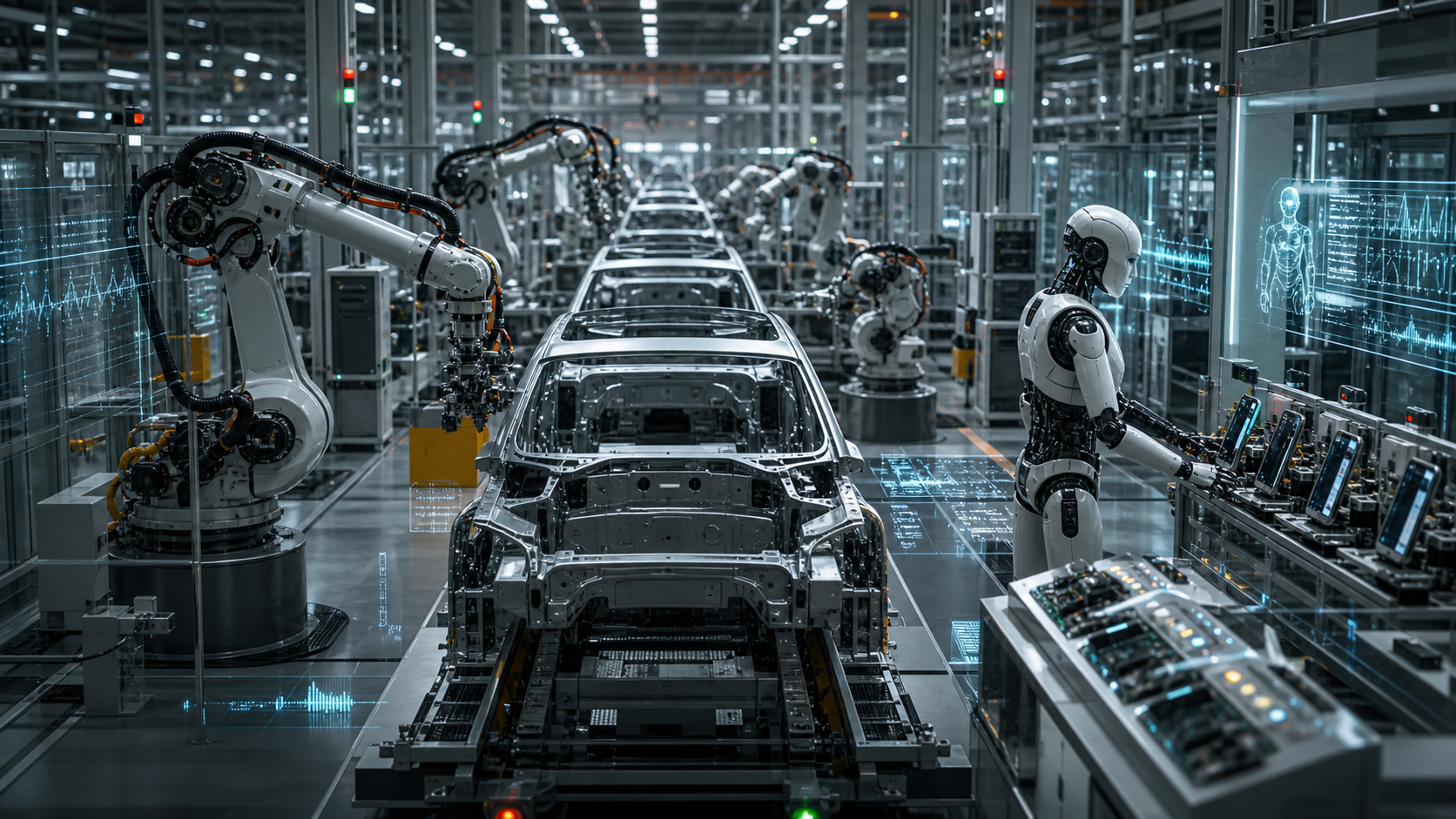
China's Next AI Scale Test Is The Factory Floor
Beijing is treating robots, EV plants and AI phones as one industrial deployment problem, not as separate gadget markets.
Platforms, chips, software and the companies building the next layer of the economy.
Beijing is treating robots, EV plants and AI phones as one industrial deployment problem, not as separate gadget markets.
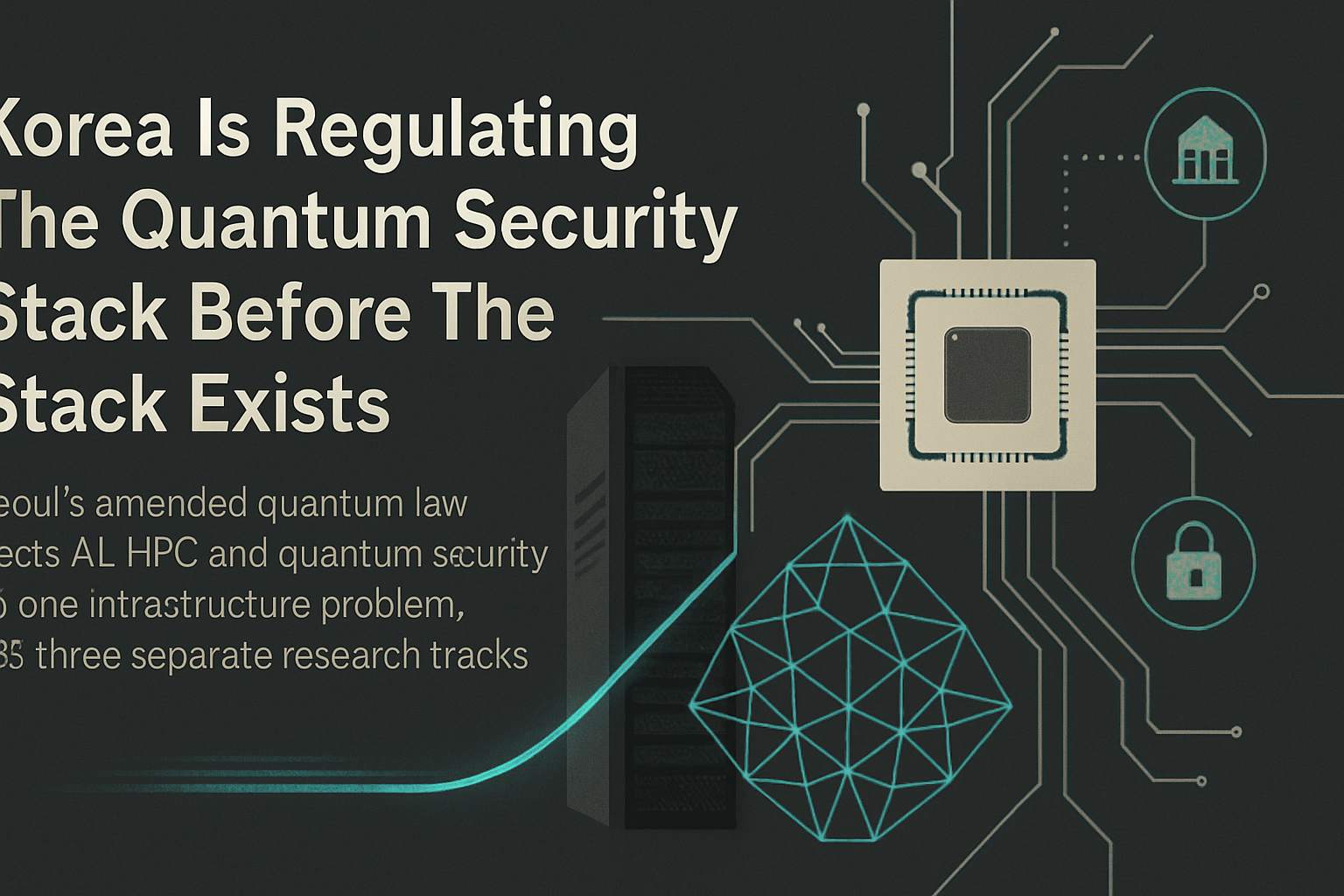
Seoul's amended quantum law treats AI, HPC and quantum security as one infrastructure problem, not three separate research tracks.
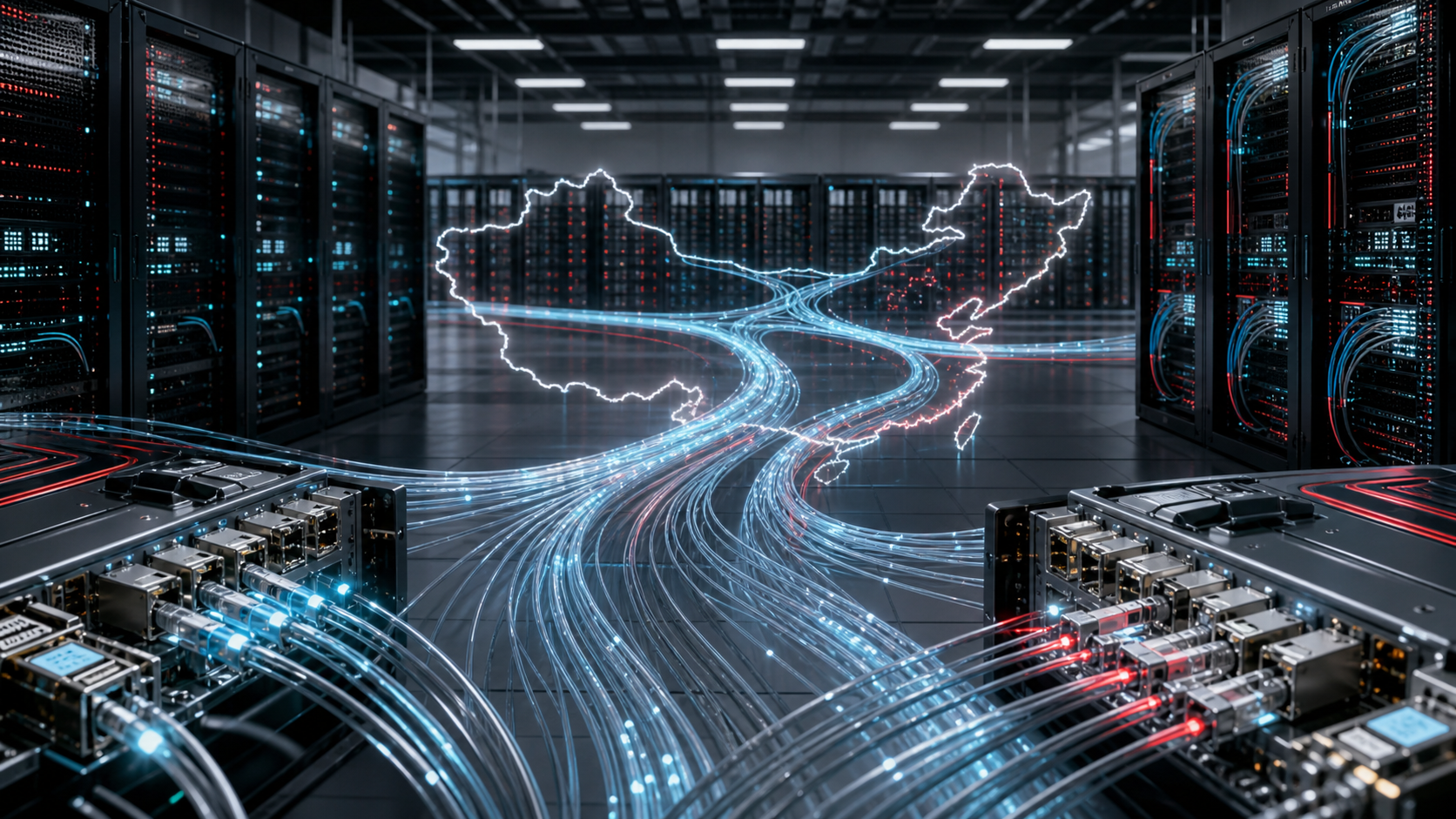
GPU scarcity made the loudest noise; optical links are becoming the quieter constraint that decides how many accelerators can behave like one machine.
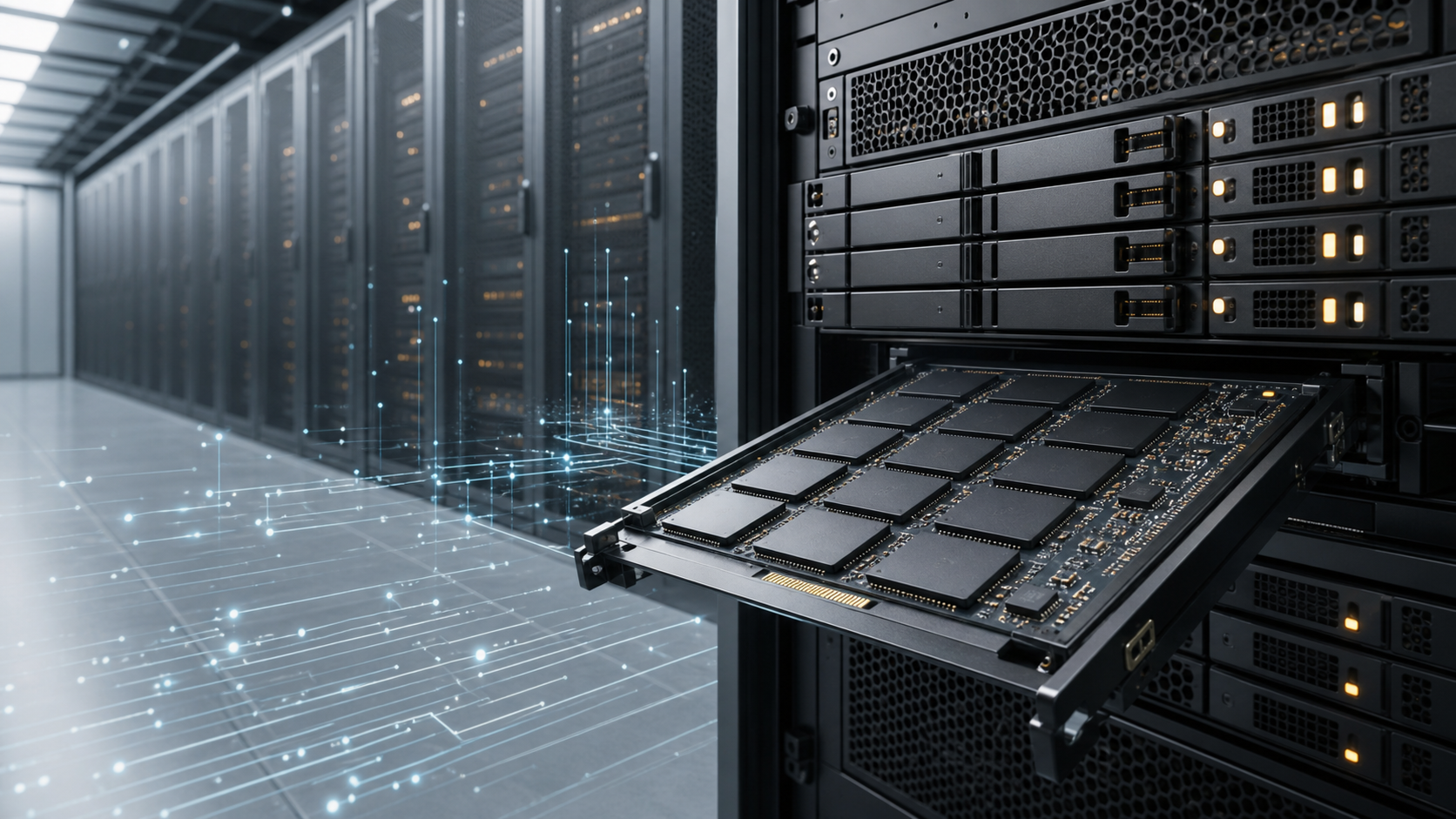
The AI infrastructure trade is not just GPUs and HBM; Kioxia's record year shows NAND and SSD economics moving into the same demand cycle.
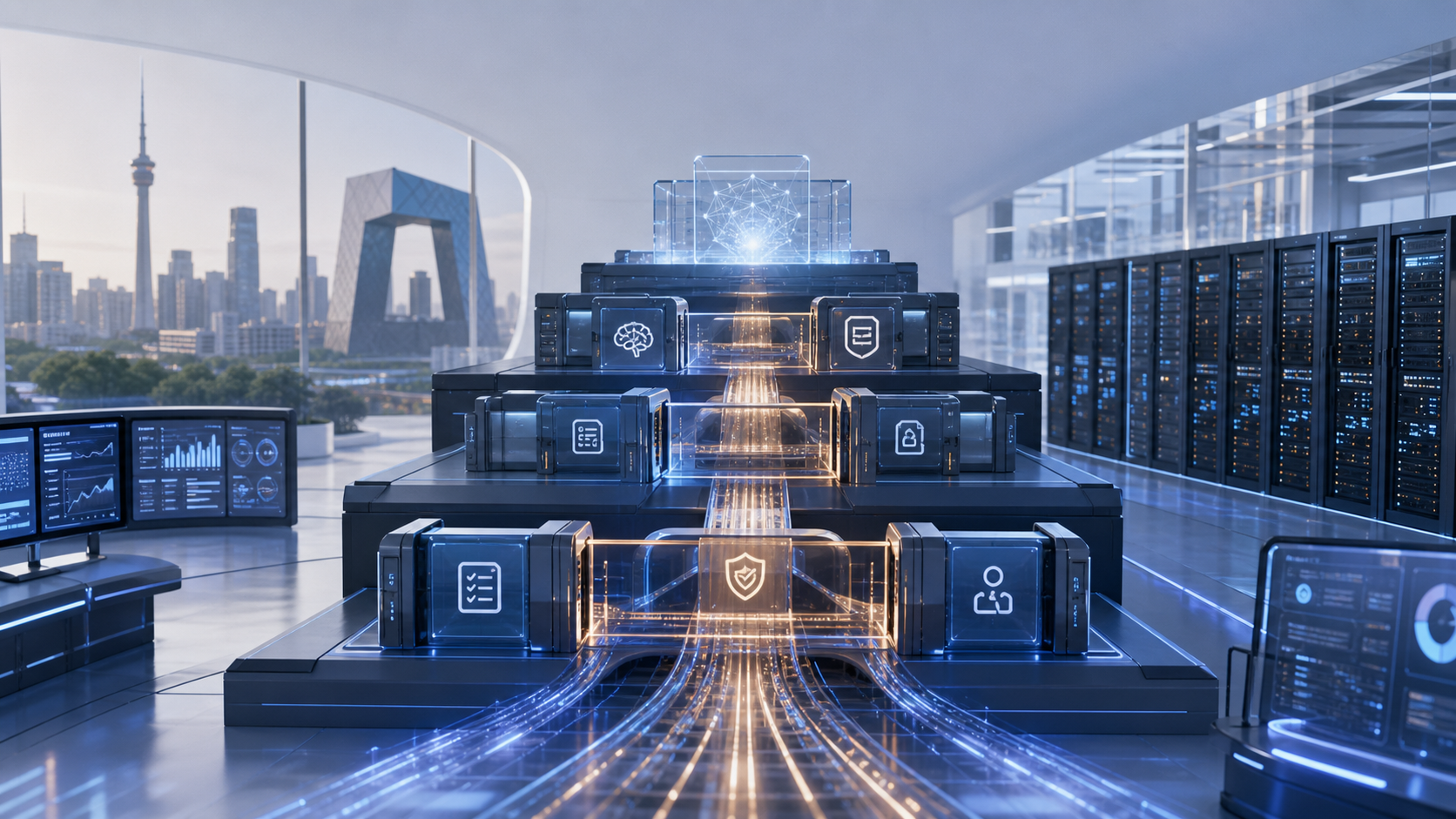
The next phase of China AI policy is less about ethics language than the operational gates that decide which agents can ship, where they run, and who carries the failure risk.
The useful comparison is no longer a static leaderboard. It is a dated, sourced view of which model is defensible for a specific job today.
Redata would make Brazil cheaper for AI infrastructure, but the policy only works if transmission planning turns a 26.2 GW connection queue into usable power.
A new critical-infrastructure request treats high-performance AI as a vulnerability-discovery shock, not another chatbot compliance problem.
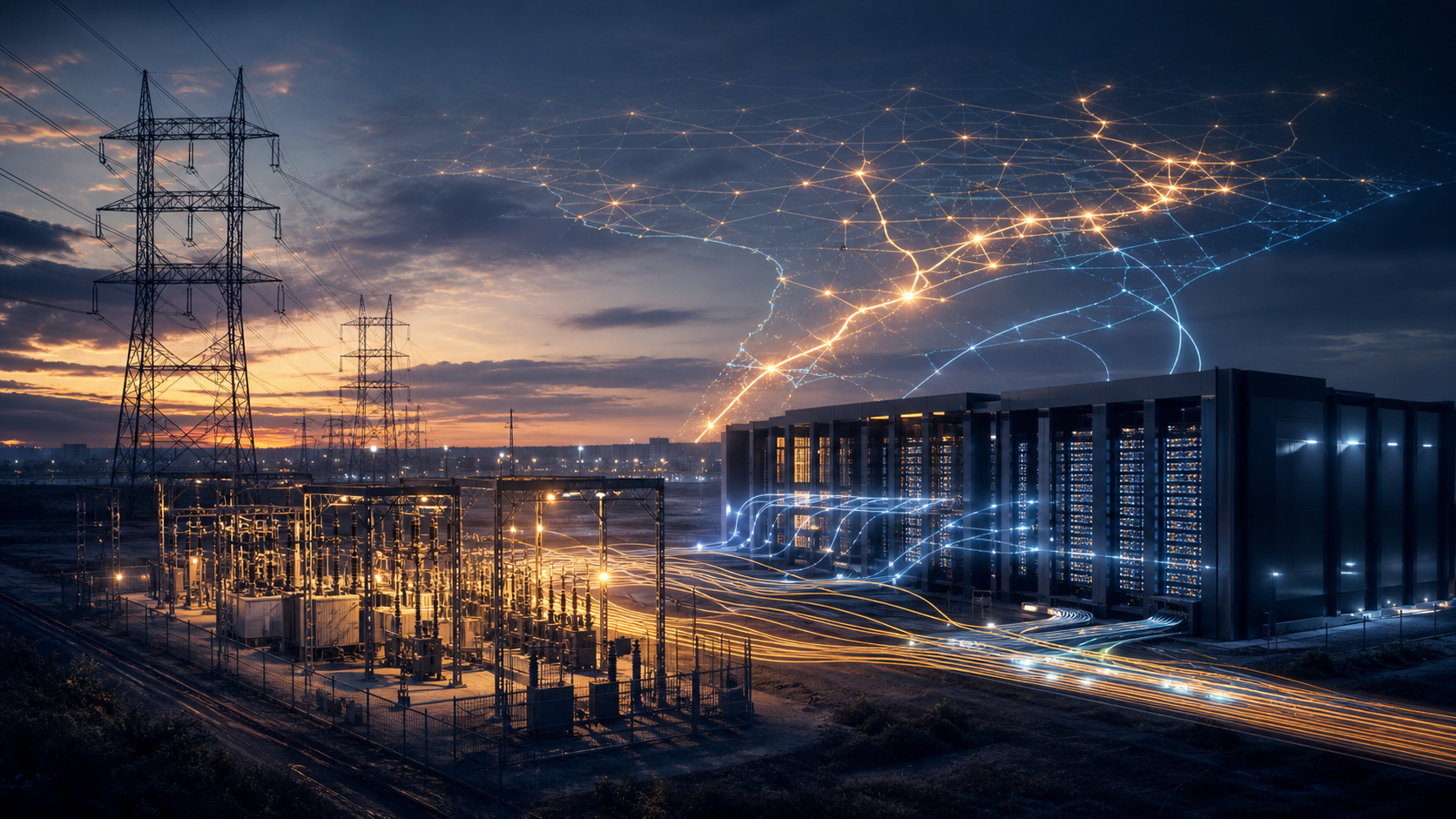
The constraint in AI infrastructure is moving from buying GPUs to proving that a project can get energized, fund grid upgrades, and operate without becoming somebody else's reliability problem.
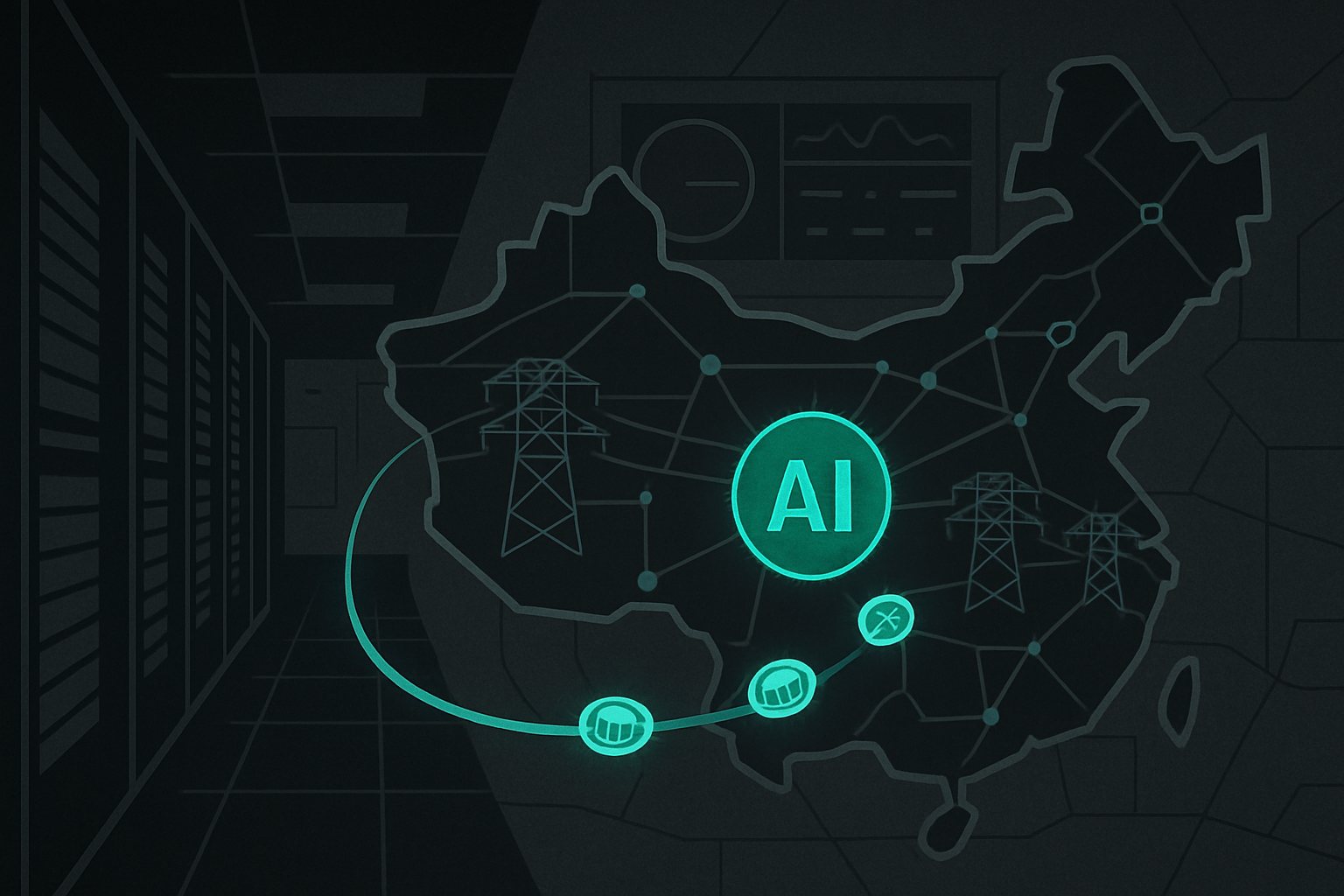
Beijing is packaging tokens, telecom billing, and energy planning into a national compute network, but utility language will not erase the physics or politics of scarce inference capacity.
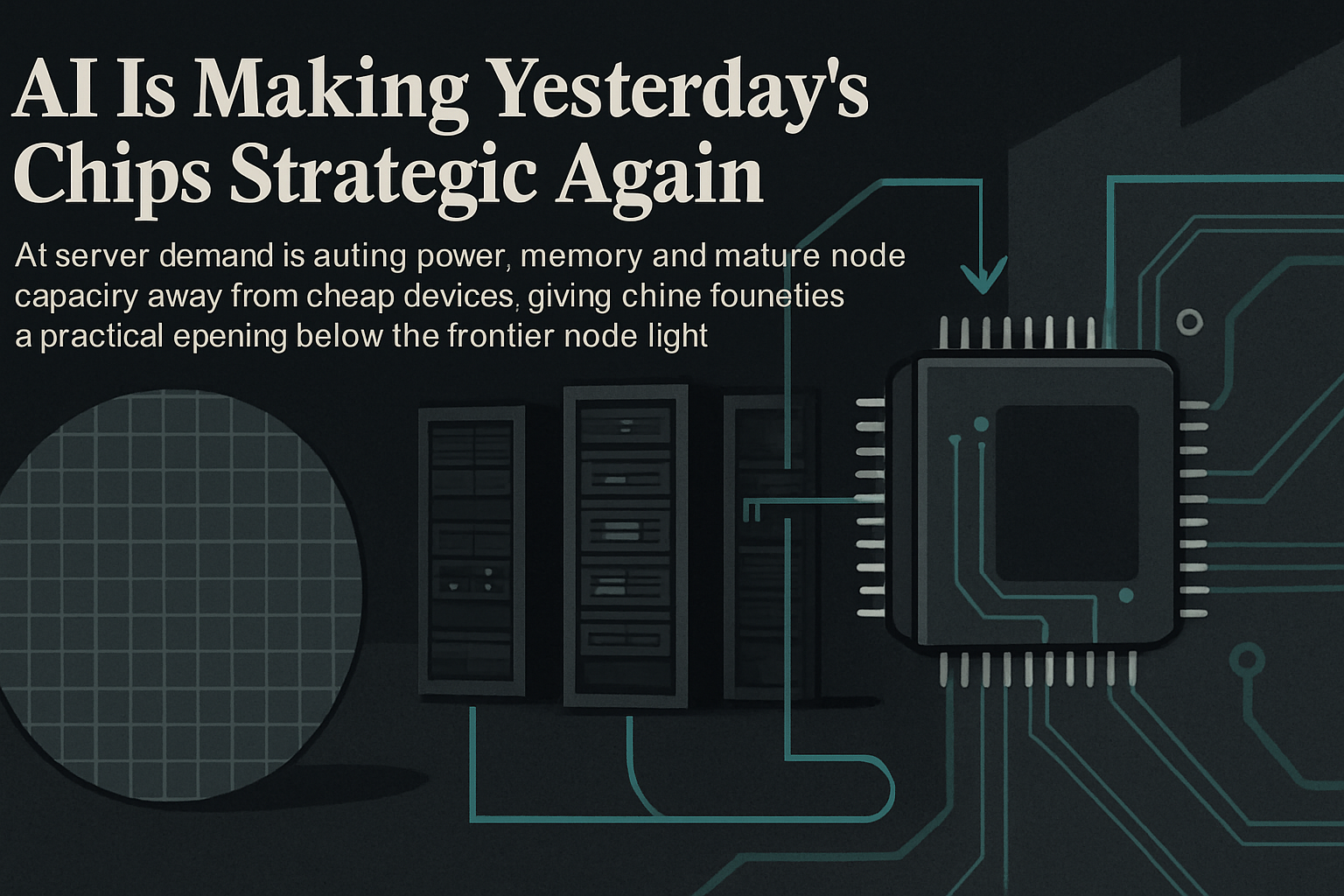
AI server demand is pulling power, memory, and mature-node capacity away from cheap devices, giving China's foundries a practical opening below the frontier-node fight.
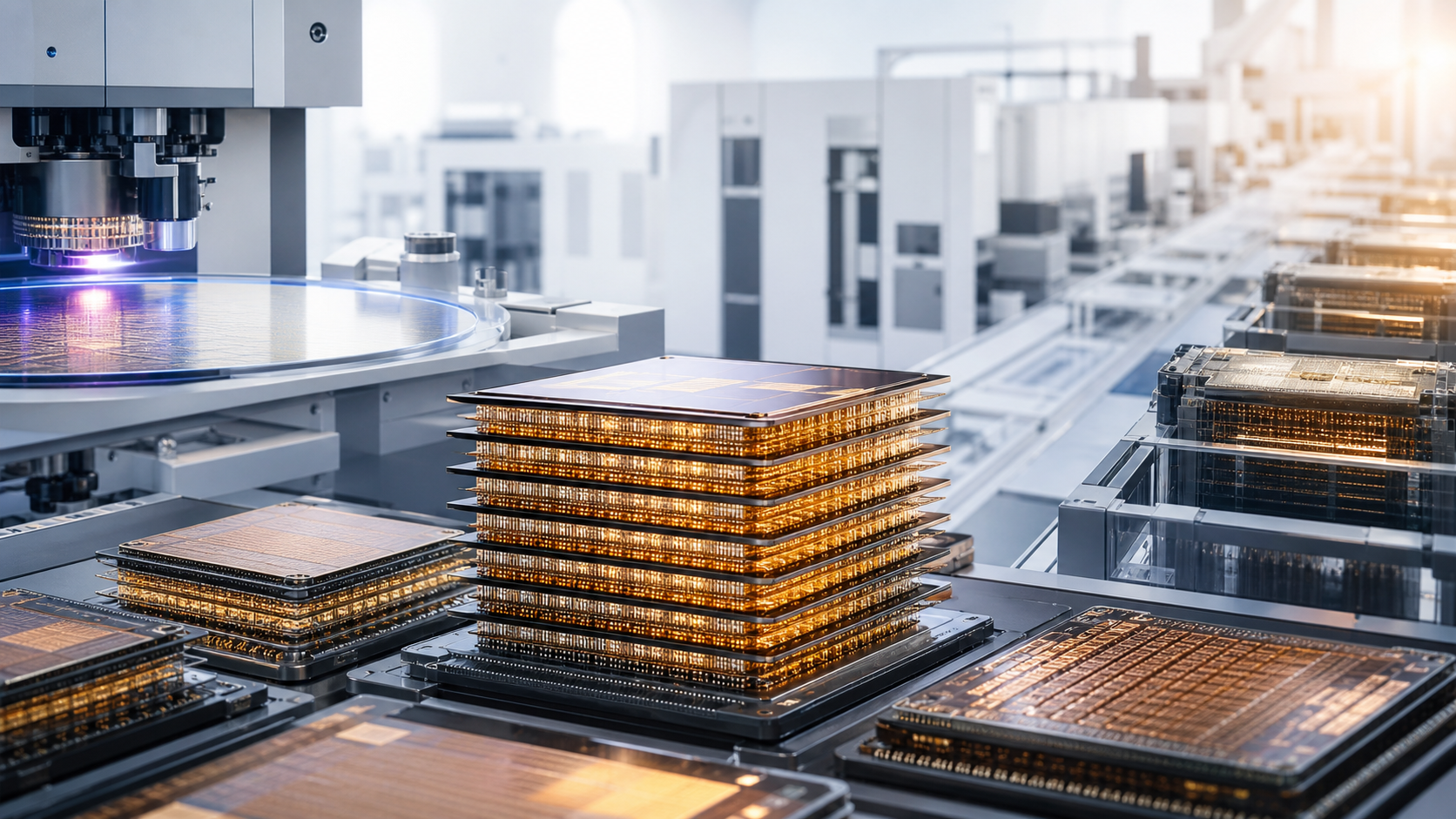
Samsung and SK hynix are no longer just selling AI memory into a hot cycle; they are allocating future HBM capacity across binding contracts, validation roadmaps, and fab equipment queues.
Nvidia's GB300 ramp looks real, but the useful test is not chip availability. It is whether power, cooling, networking, and deployment labor can turn shipments into working clusters fast enough.
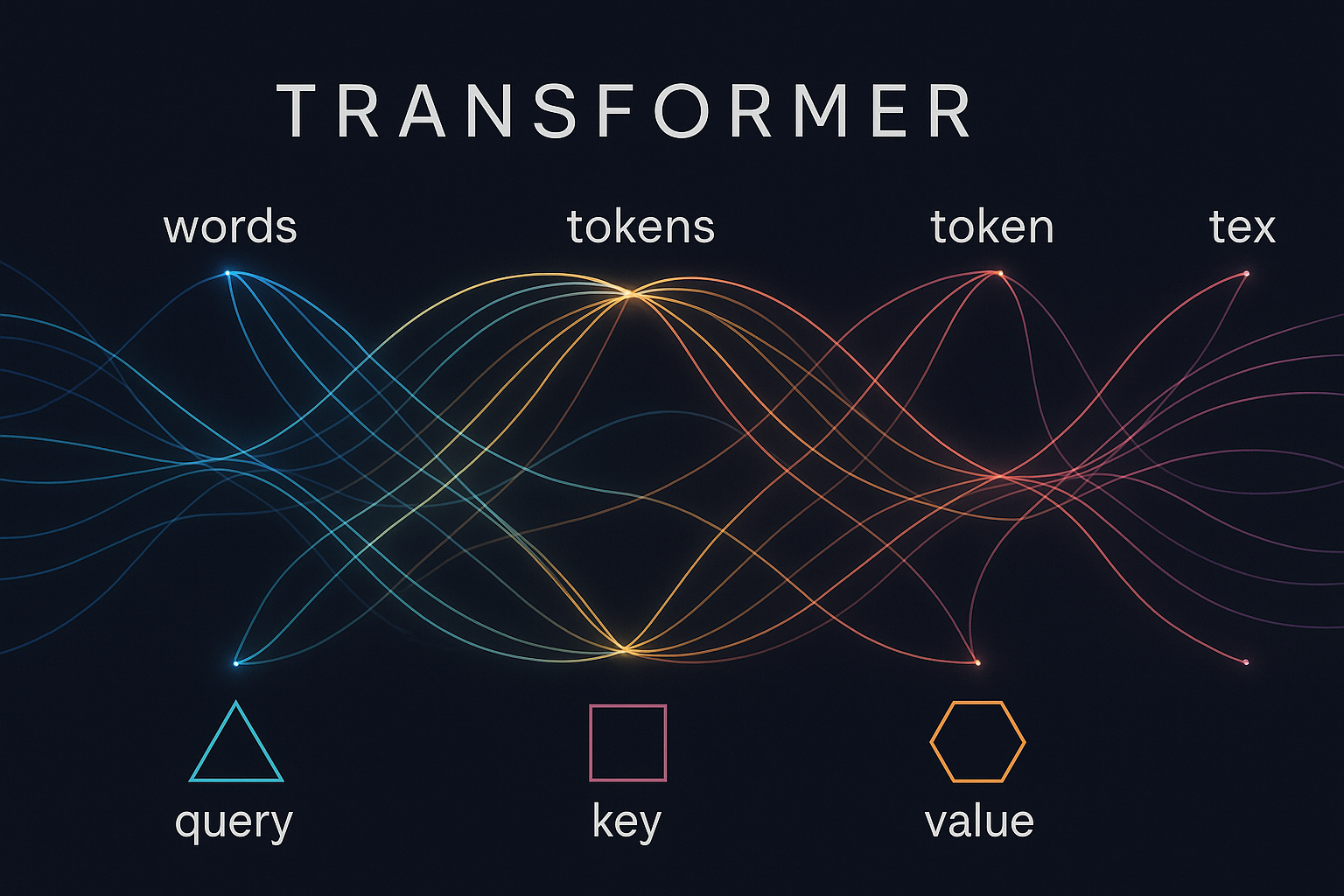
Every AI news story mentions transformers. Here is what they actually are, step by step.
Data centers now consume more electricity than many mid-size nations. Governments are scrambling to respond—with wildly different playbooks.
Chrome is downloading Gemini Nano — a roughly 4 GB on-device model called weights.bin — onto qualifying laptops without an explicit prompt. Google says it powers scam detection. Users say they were never asked. Both are true.
The new Kumamoto venture ties Sony's sensor lead to TSMC's foundry scale as automakers and robotics groups demand better machine vision.
Nintendo is lifting Switch 2 prices by as much as 20% in Japan and by $50 in both the United States and Canada, a rare early-cycle increase that arrives alongside strong sales and a ¥370 billion operating-profit forecast.
Alphabet, Amazon, Meta, and Microsoft are collectively pouring up to $700 billion into AI infrastructure in 2026 — more than the GDP of most nations — as Q1 results show cloud revenue surging but investors split on whether the returns will justify the spend.
Malicious versions of the widely-used deep learning framework stole cloud credentials, GitHub tokens, and CI/CD secrets across AWS, Azure, and GCP — and planted persistence hooks in Claude Code and VS Code for the first documented time in a production attack.
Amazon crushed Wall Street estimates with $2.78 EPS against $1.64 expected, powered by the fastest AWS growth in 15 quarters and a custom silicon business that CEO Andy Jassy says would be worth $50 billion as a standalone.
Operating profit jumped 56 percent year-on-year as Samsung joined SK Hynix as a qualified HBM4 supplier to Nvidia, while foundry losses narrowed and the Galaxy S26 launch lifted mobile margins.
Redmond beat consensus on revenue and EPS but warned AI infrastructure spending will accelerate through fiscal 2027, drawing fresh scrutiny over the cloud capex cycle.
Stockholm-based streamer reports record paid additions and ad-tier growth, while a 30-language AI DJ rollout positions personalization as the next moat — even as Apple, Amazon, and YouTube intensify bundling pressure.